Portrait artist
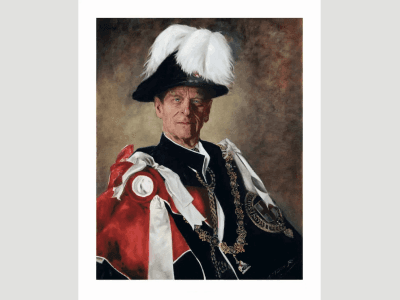
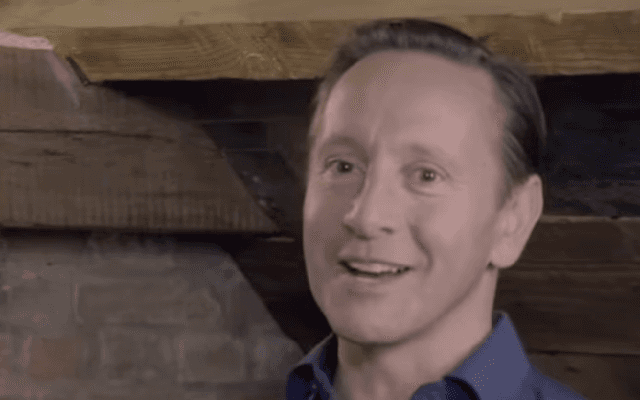
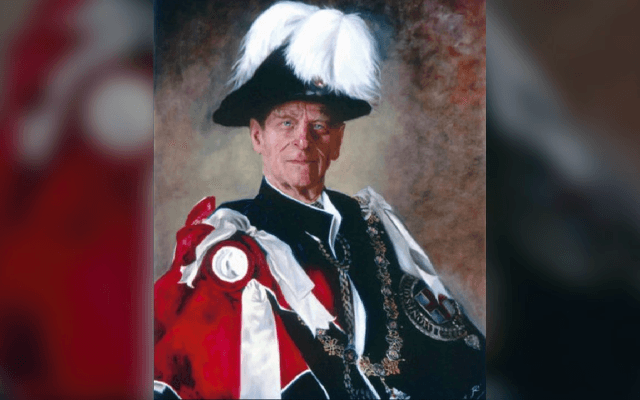
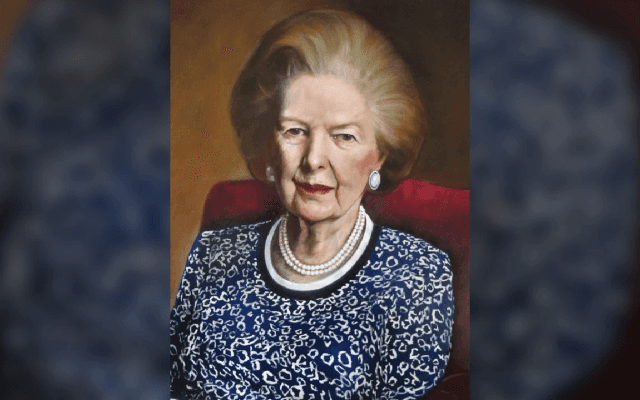
Alexander trained at the Florence Academy of Art and The Repin Academy of Fine Art in St Petersburg. His portraits include HM Queen Elizabeth, HRH Duke of Edinburgh, Lady Thatcher and HH Pope Benedict XVI.
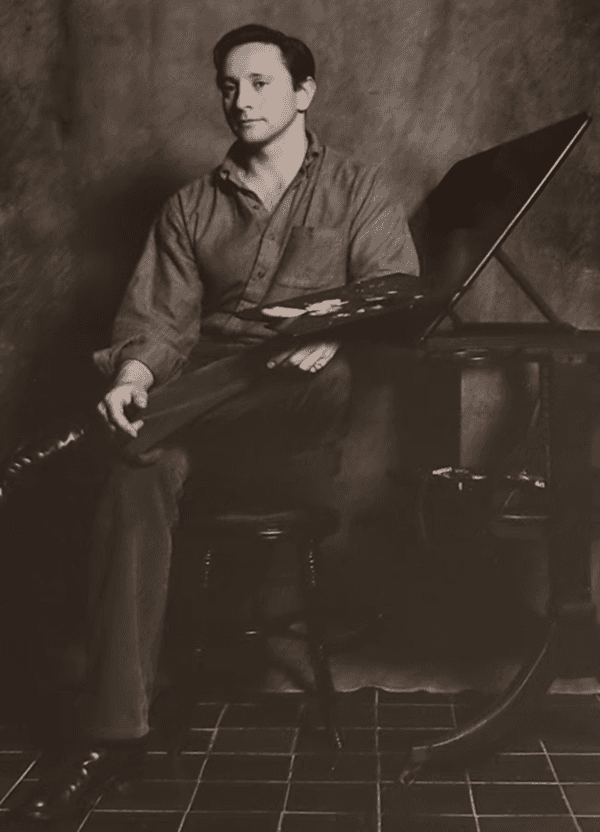
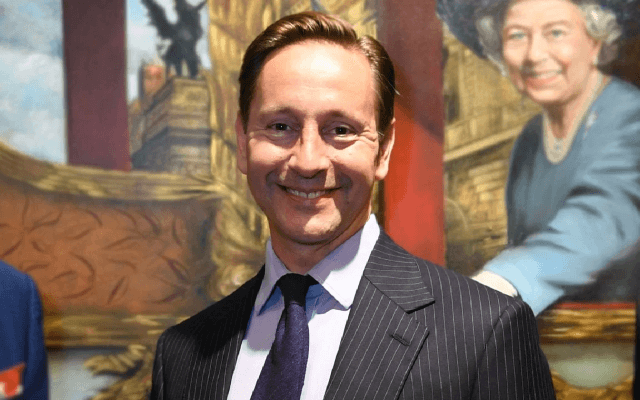
Photograph by Lord Snowdon
Honorary Professor
Repin Academy, St Petersburg
Fellow
Royal Geographical Society
Member
Worshipful Company of Painter Stainers
Freeman
City of London
— About
Alexander Talbot-Rice is one of the very few artists to have been classically trained at both The Florence Academy in Italy and Saint Petersburg Repin Academy of Arts, and was appointed there as an Honorary Professor of Fine Arts.
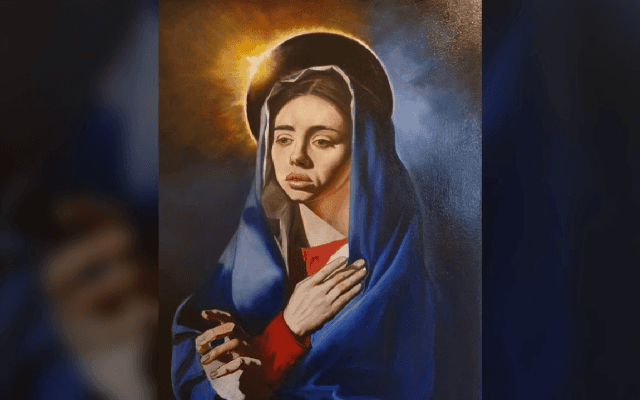
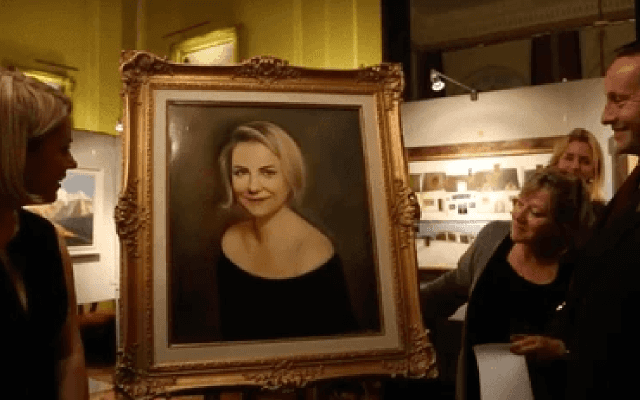
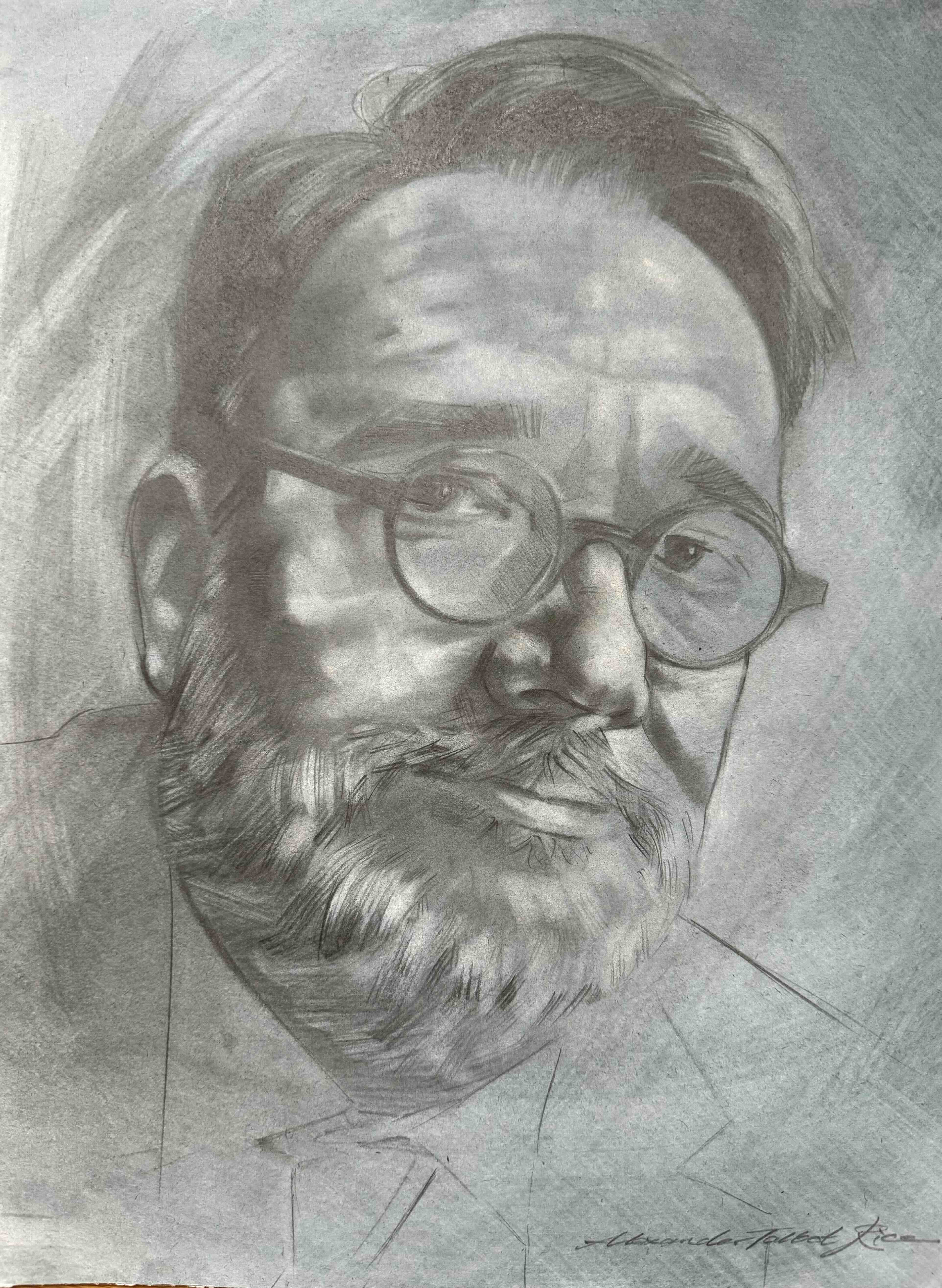
Painting in the classical naturalistic tradition, he is particularly known for capturing the personality, humanity and character of his subjects. He has exhibited across the globe and his portraits are hung in royal palaces and leading art galleries.
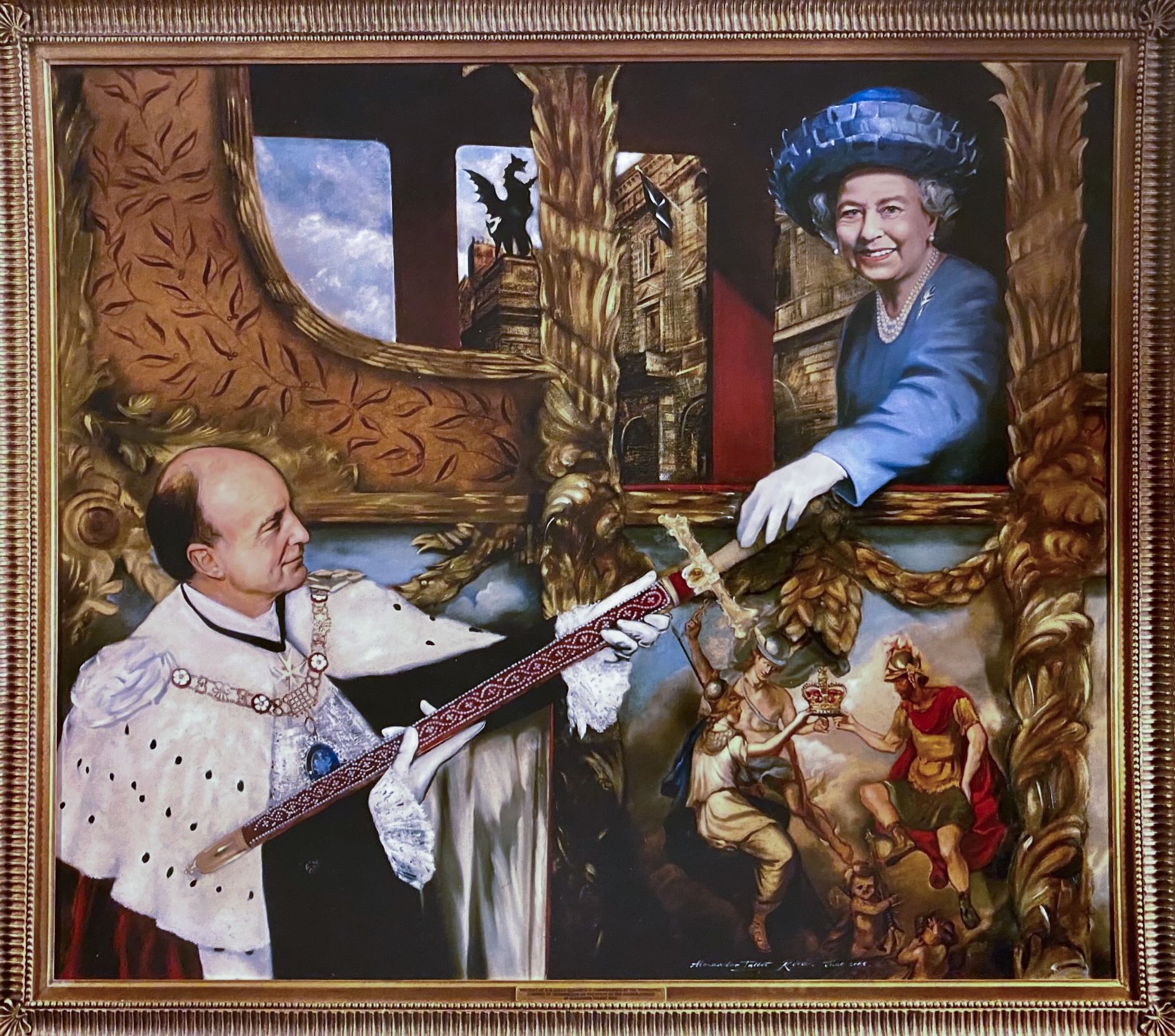
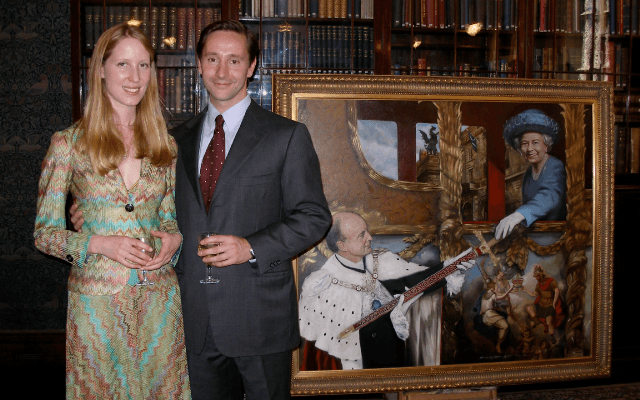
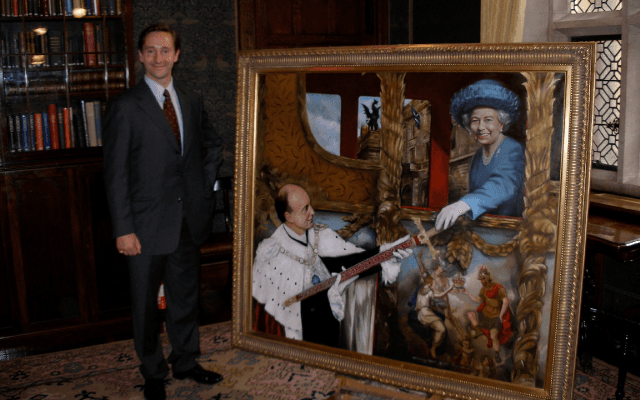
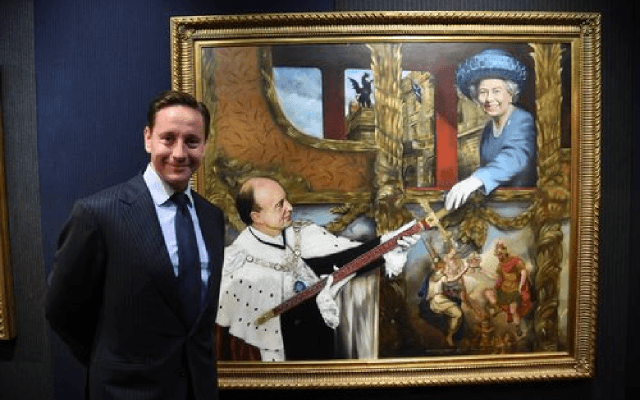
HM Queen Elizabeth II
City of London, UK 2005
— Notable Portraits
Through the Eyes of an Artist
— Robert Browning
Robert Browning wrote these words to express the eternal dilemma of the artist, who strives to achieve something worthy of the effort.
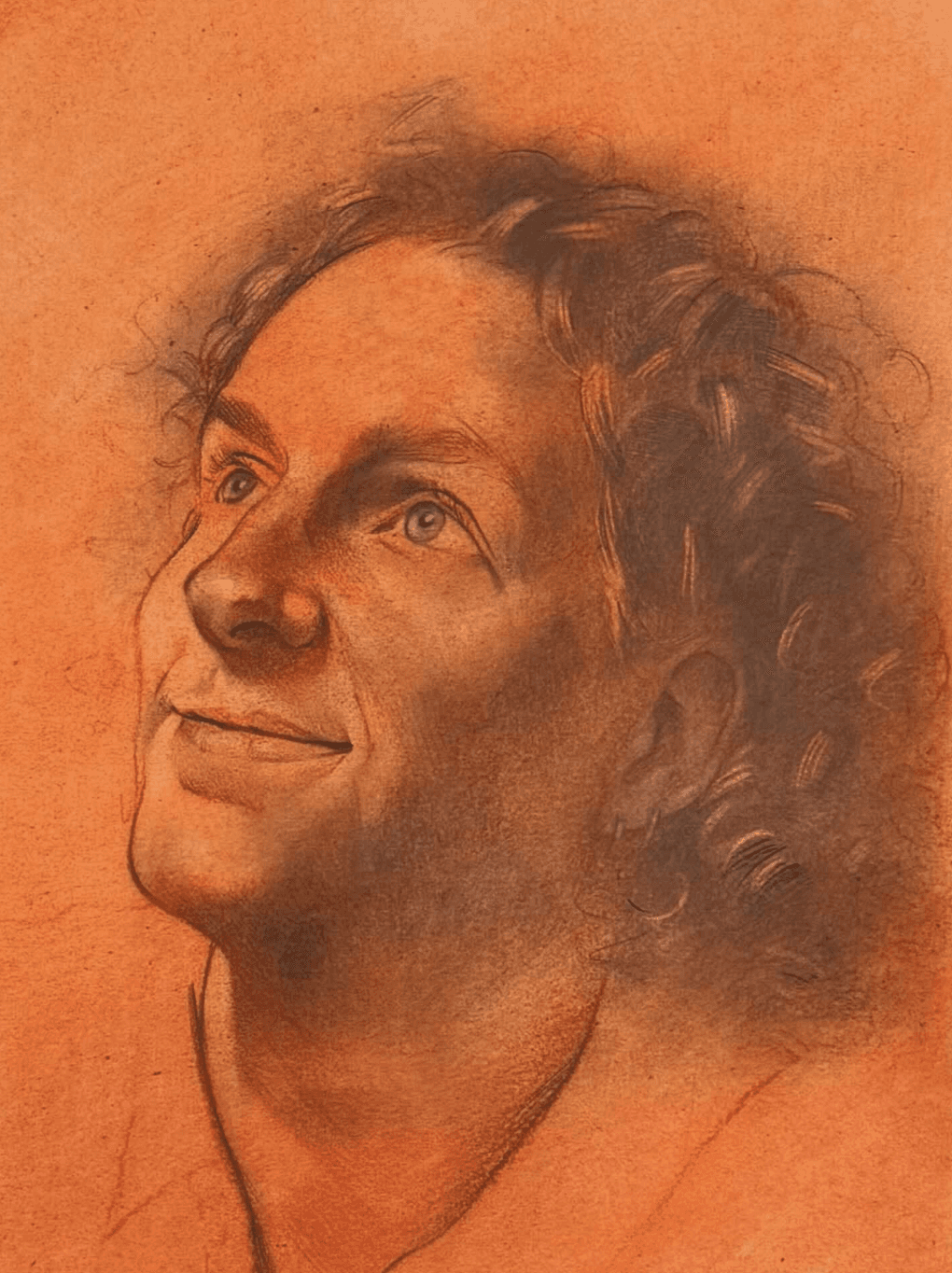
An artist's intuition of truth exists beyond the self in the light, shadow, and harmony of nature. It is something they are compelled to express through technique and by a process of apprenticeship to a master, but their own artistic 'handwriting' always remains unique.
If these heroic and uniquely human aspirations are what define an artist, the true value of a work of art exists in the extent to which it resonates with others.
This is why creation requires empathy, authenticity, determination and passion.
— Exhibitions & Events
2004
2005
2006
2007
2008
2009
2011
2012
2013
2014
2015
2016
2018
2023
— biography
Chapter I
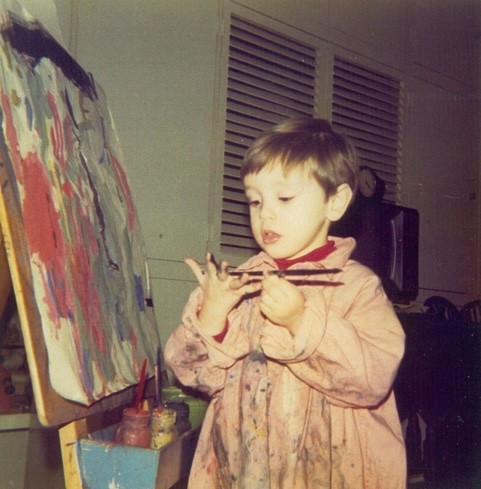
Alexander's early childhood was divided between two worlds; the family home in London and his grandmother's estate in Herefordshire. Growing up on a farm, he had a close connection with nature and with the tenant farmers who became his closest friends. When his Grandmother died, death duties resulted in the estate being sold and Alexander was sent, aged seven, to a strict propriotory boarding school named Temple Grove, in Sussex.
Not only had he lost his grandmother and family home, but he was also separated from his family and friends. Temple Grove was the oldest prep school in England, a decade past its best, like many of the staff. There was never enough food, his dormitory was freezing cold, students had lice, and he was regularly beaten for the slightest infringement of school rules. Alexander was dyslexic and was often humiliated in class.
This change of circumstances might have taught Alexander something of the ephemeral nature of life, but it was an eccentric art teacher, Irene Rothery, who first recognised his talent and lit a fire in his imagination. She introduced him to French Impressionism and, through reading about Toulouse-Lautrec, Claude Monet and Degas, Alexander was able to escape the environment in which he lived and imagine himself in the Belle Époque in Paris.
Consequently, he was awarded the top Art Scholarship to Stowe in Buckingham, the former country house of the Dukes of Buckingham. The house, designed by Vanbrugh, is set in grounds landscaped by Capability Brown.
The first Headmaster of Stowe, J. F. Roxborough, said of the school that any boy who studied there would know the meaning of beauty for the rest of his life. It was here that Alexander met another inspiring teacher, a master called Jonathan Kreager, who taught English and told him, “Alexander, I don’t care how you spell, I want to hear what you have to say.” It was the right thing, said to the right boy at the right time. Alexander left Stowe with an A at A Level in English Literature, as well as the History Prize and the Headmaster’s Award for Success and Achievement.
When Alexander left Stowe, he successfully completed Officer Selection for the Welsh Guards, known as ‘Brigade Squad’. Instead of going straight to Sandhurst, he undertook an in-service degree at Durham University, training with a Territorial Army regiment nearby in Newcastle. During this Selection, he broke his back and was told he could be paralysed.
Determined to turn disappointment into opportunity, he graduated in 1995 with a BA (Hons) in Politics, Philosophy and History, and then applied for a scholarship to study fine art at the Charles Cecil School in Florence. He studied under Charles for three years before going on to the Florence Academy of Art, where he studied for a further two years under its founder, Daniel Graves.
Chapter II
His artistic journey started humbly, sleeping at St Mark's Anglican Church in Florence, where he designed a monument to the men who died liberating Italy in World War Il. This led to him being invited to be an artist in residence at Palazzo Corsini, Florence.
When Alexander stood for the first time before a life model in Florence, bathed in soft light, he gazed upon the marble white of her skin blushed pink with life, and at once felt elated and sad because he knew that he did not yet have the skill to convey the infinitely gentle transitions of light, shadow, warm and cold colour before him.
In Florence, he gained an understanding of materials, pencil, charcoal, paper, paints, canvases and complex alchemic mediums. He learnt techniques to reproduce what he saw in nature by means of ‘sight size’ perspective, and he studied the works of the Italian Masters in Florence, Siena, Venice and Rome.
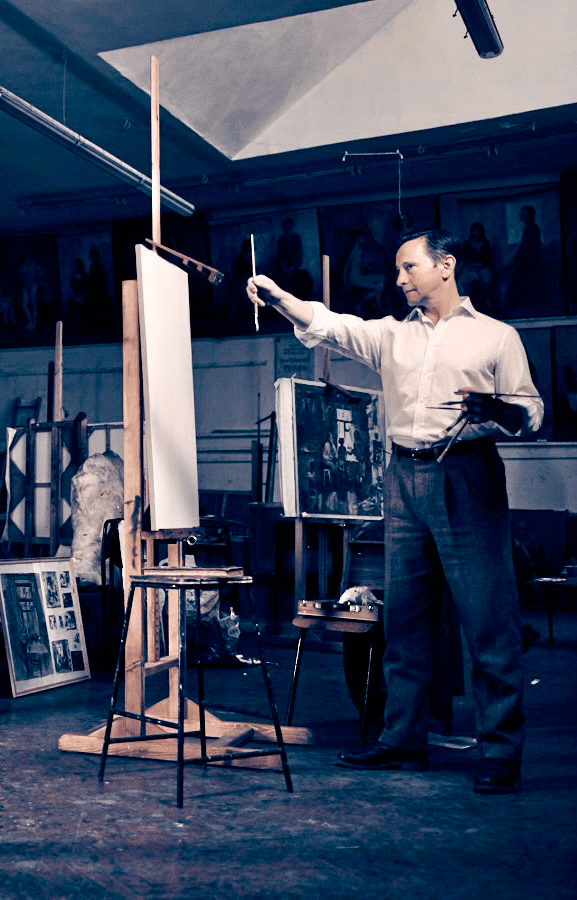
Alexander was the first Western student to gain a place to study art in St Petersburg, where he learnt from true masters, who thanks to Soviet discipline, had preserved a tradition that dated from the Imperial Academy of Catherine the Great. They taught him how to draw and paint not just what is observed but with “understanding”.
Here Alexander worked in Ilya Repin’s Studio and with the head of the department of restoration, who had been responsible for restoring works by Rembrandt at the State Hermitage Museum. Through these Masters he discovered some of the secrets of the Old Masters he had been searching for in Florence.
Chapter III
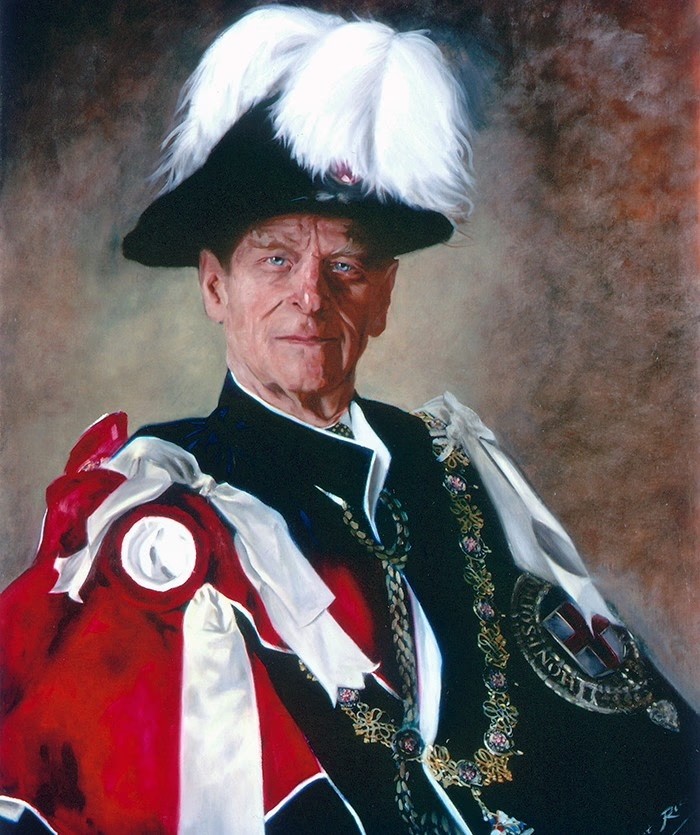
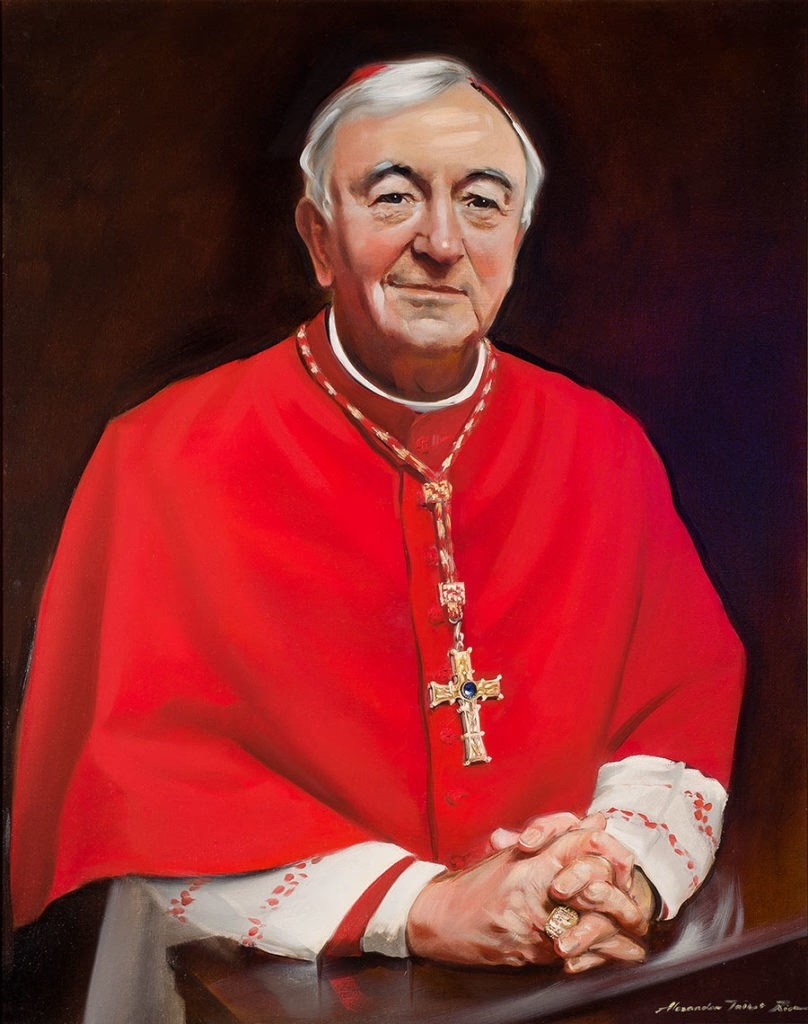
His first royal commission on returning to England was to paint HRH The Duke of Edinburgh, resulting from his portrait of the Lord Bishop of London, Richard Chartres, who was the Anglican representative to the Russian Orthodox Church, and a trustee of St George’s House at Windsor Castle.
His portrait of HRH was so well received, that it led to Alexander being invited to paint a portrait of HRH carriage riding for his personal collection, during which time he was a guest at Windsor Castle.
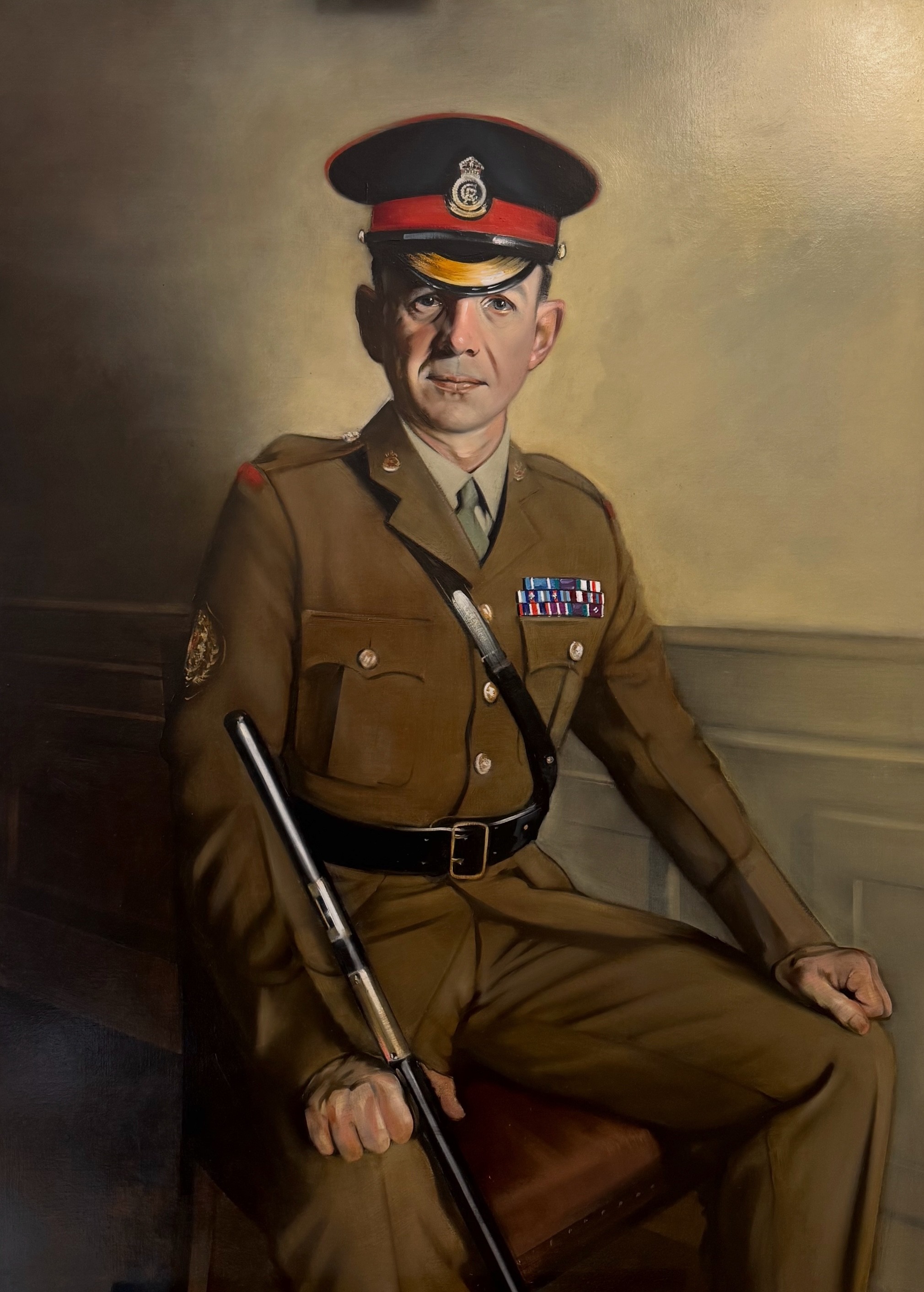
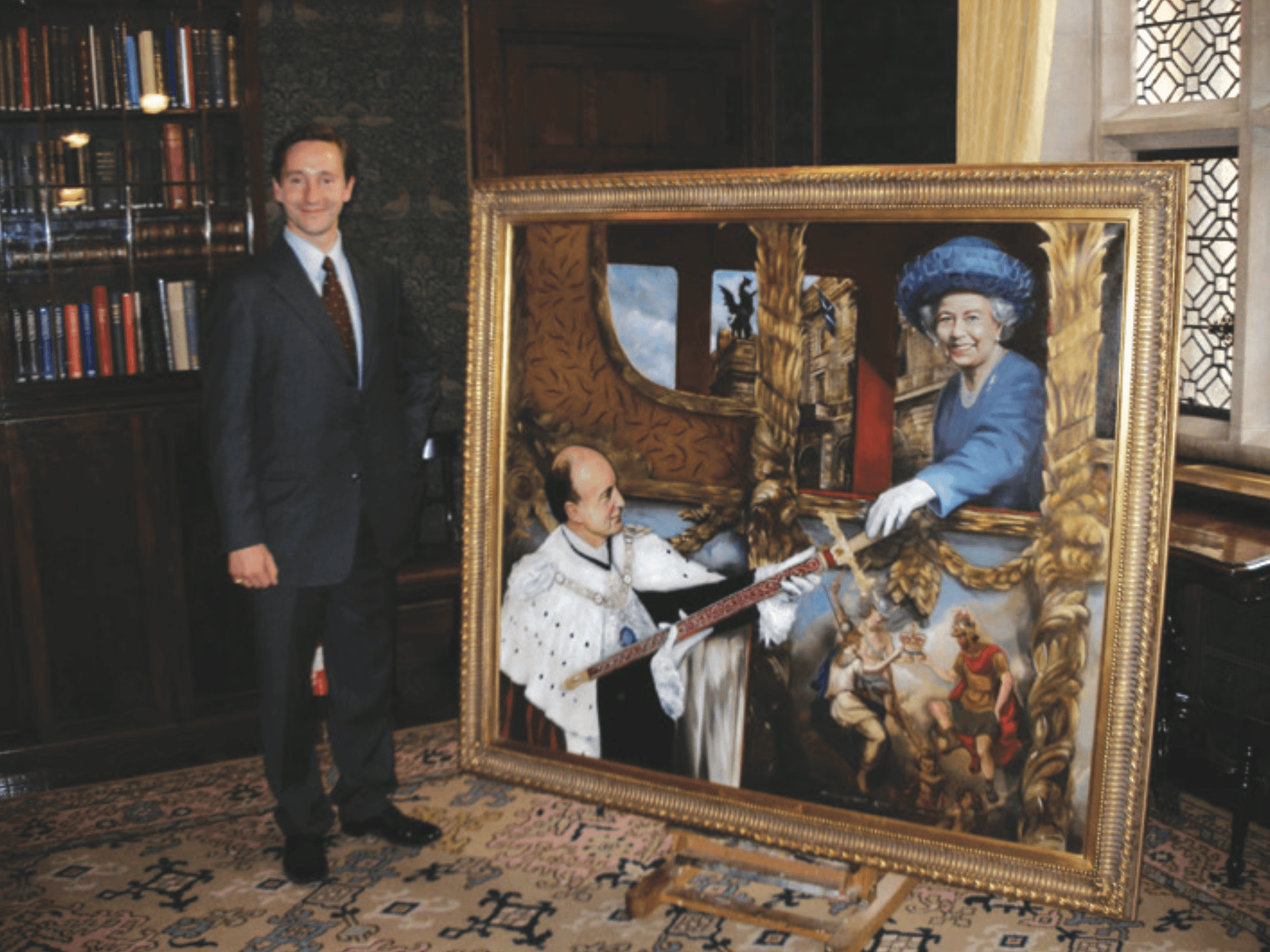
Alexander was chosen to paint HM Queen Elizabeth II, for The Worshipful Company of Ironmongers, in the City of London. A portrait of HRH The Prince of Wales was also commissioned by the Welsh Guards and Alexander was subsequently made a Freeman of The City of London.
Chapter IV
It was on the advice of HRH The Prince of Wales, that Alexander first went to Afghanistan, as a guest of Rory Stewart, who was rebuilding the Old Town in The City of Kabul through an NGO of which HRH was a patron.
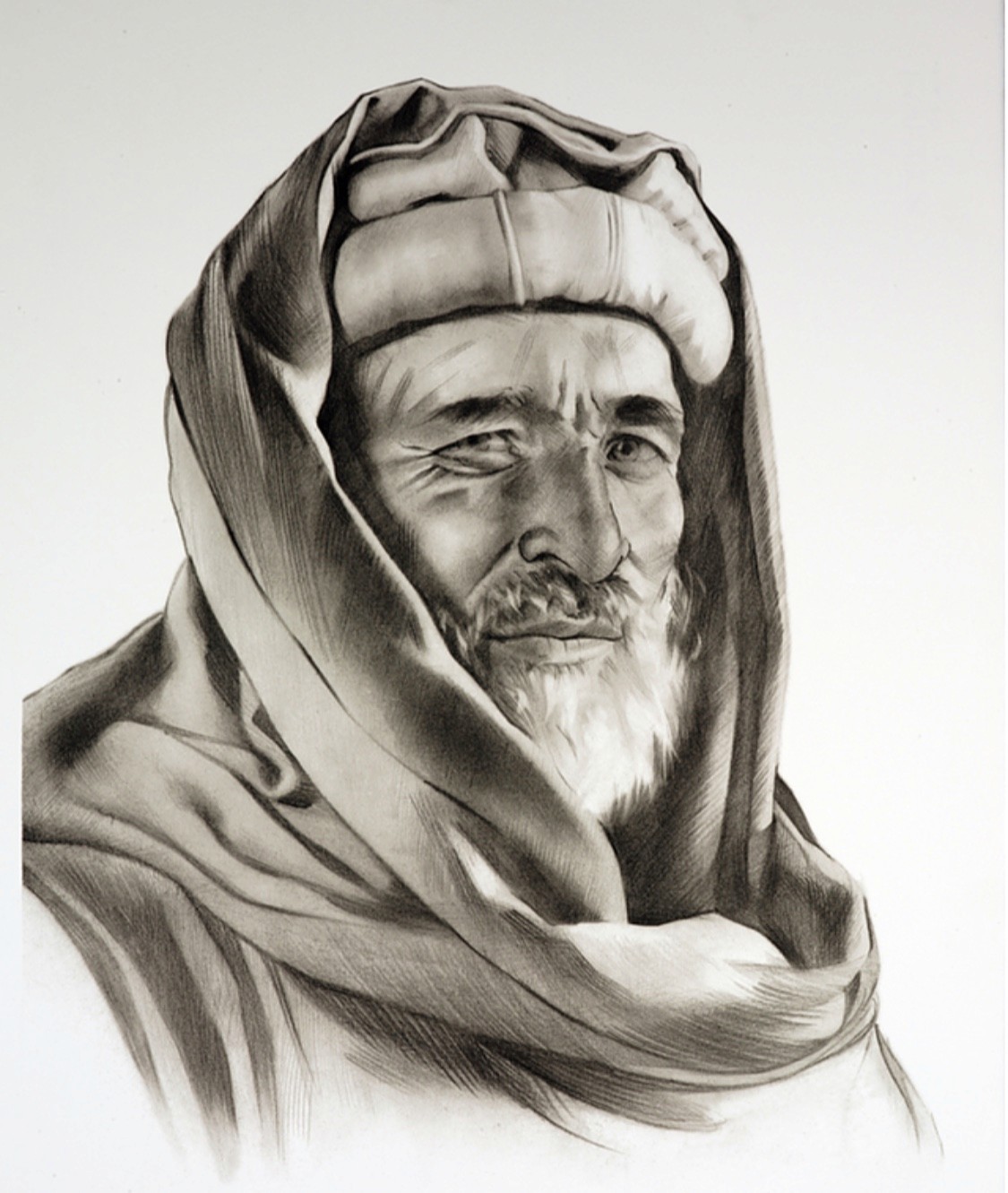
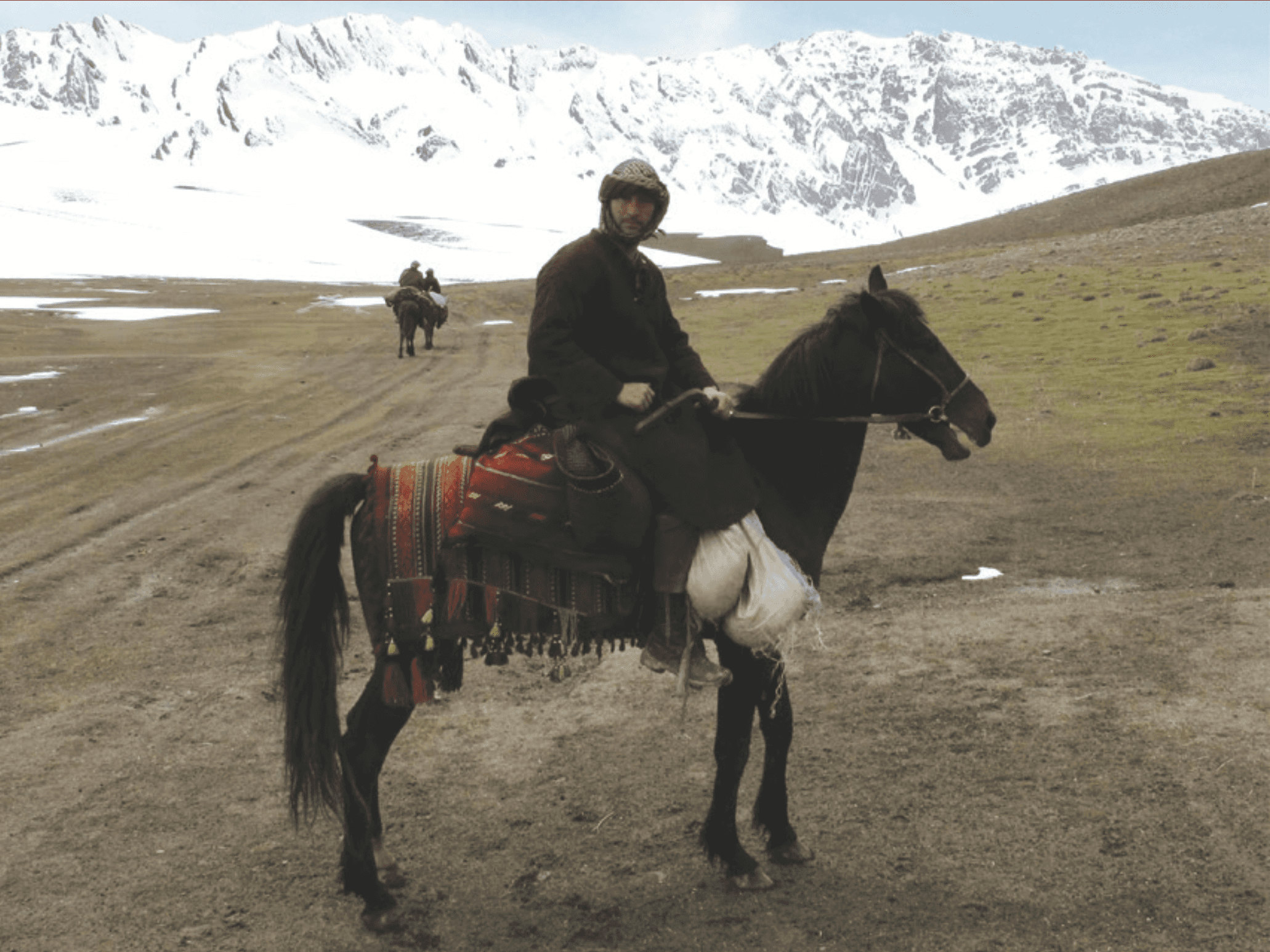
In Afghanistan, Alexander rode five-hundred-miles by horse, from Bamyan to Mazar-i-Sharif, and founded the Afghan Rugby Federation. As a result, he was invited to go to Helmand Province, embedded with the Welsh Guards, as a war artist, where he drew and painted tribal elders.
In one exemplary story, he asked the Governor of Helmand Province what was most needed in the reconstruction, expecting an obvious response such as roads, hospitals, or just fresh drinking water. The elder replied; “Alexander, we have been surviving for two thousand years, what we need is a reason to! These things enable us to survive; art gives us a reason to.” These are words that have stayed with Alexander ever since, throughout his creative life.
Chapter V
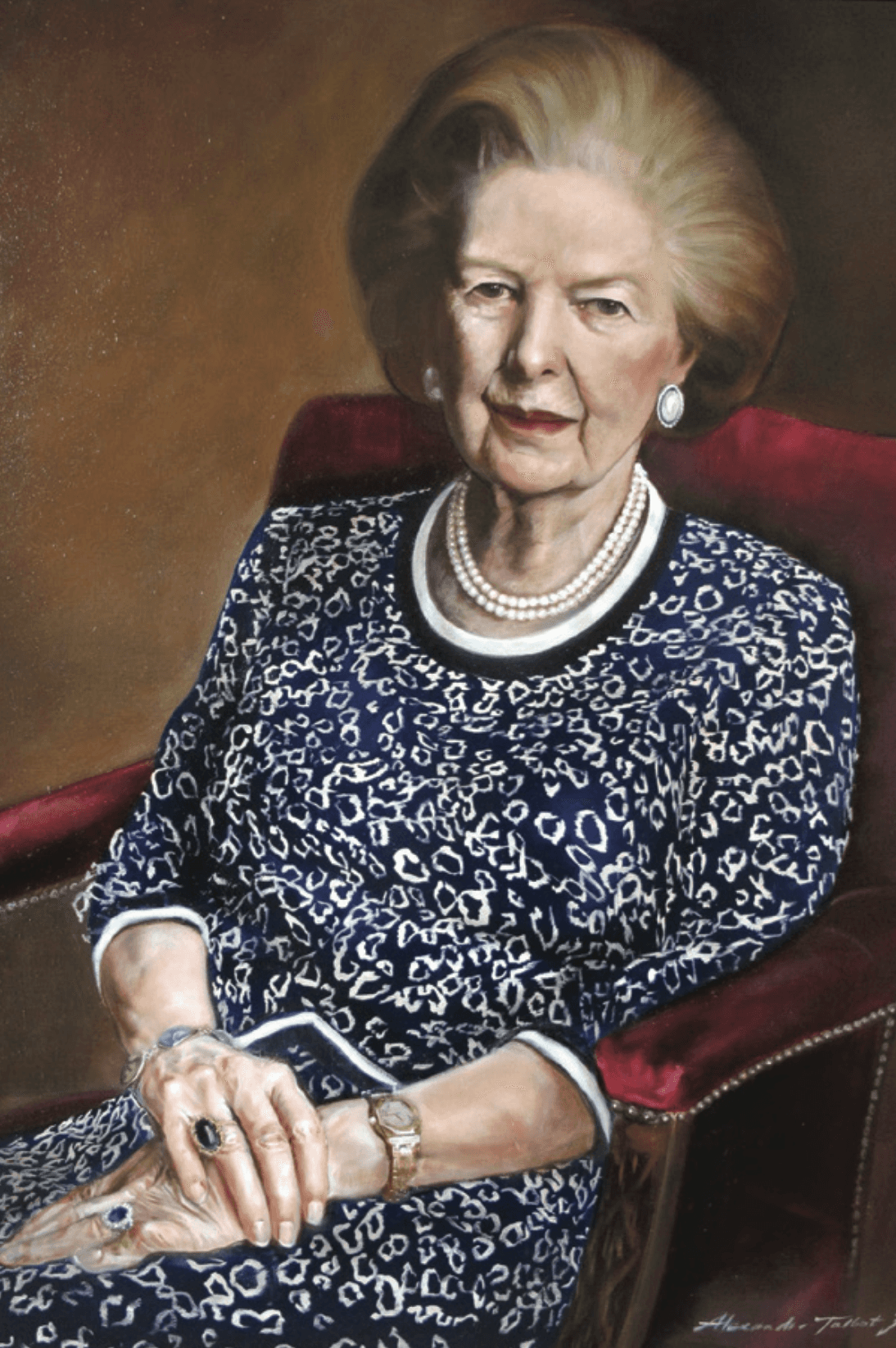
On returning to England, his portraits of HM Queen Elizabeth II and HRH The Duke of Edinburgh, were exhibited at The National Portrait Gallery in Washington and Alexander was invited by the director to paint the former Prime Minister, Lady Thatcher.
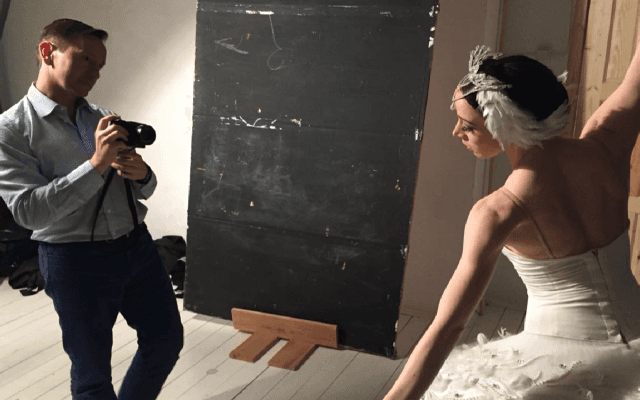
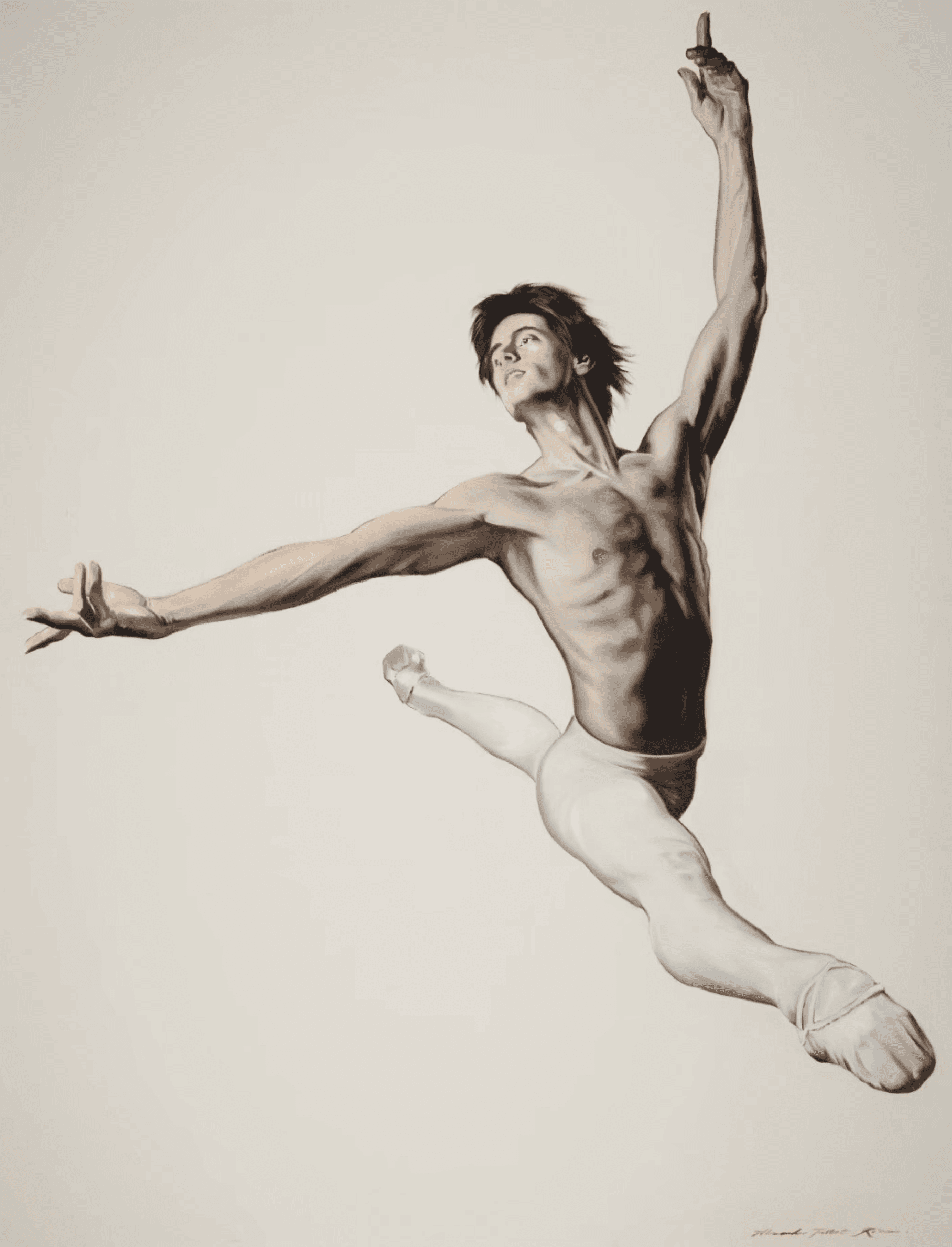
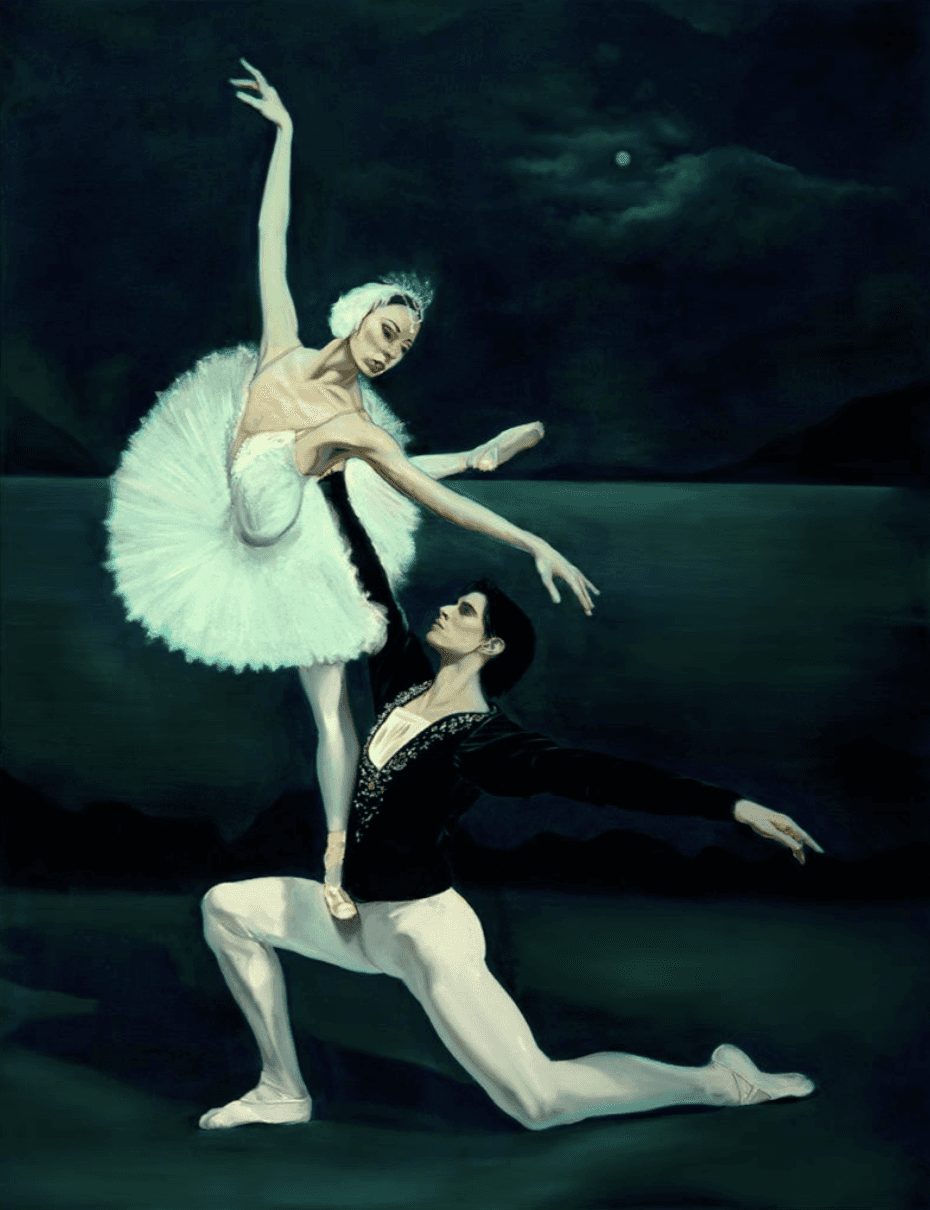
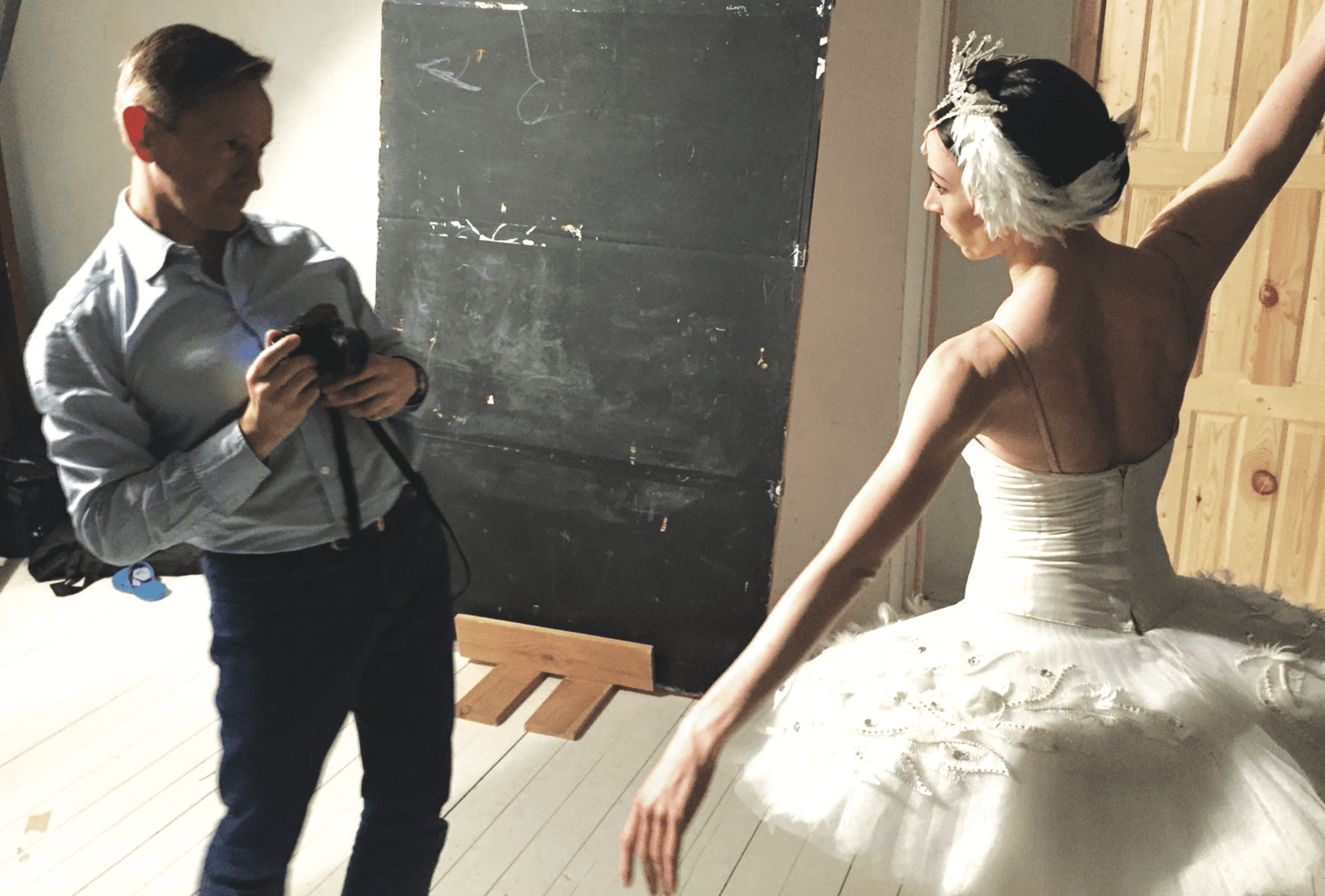
Subsequently Alexander left England to return to Russia, painting at The Mariinsky Ballet thanks to Xander Parish OBE, an English ballet dancer, who was the Principal Soloist there. Consequently, Alexander painted the Director of Hermitage Museum and was made an Honorary Professor of Saint Petersburg Repin Academy of Arts.
Shortly before Covid, Alexander’s mother passed away. In her memory, he held an exhibition at The Cavalry and Guards Club featuring paintings inspired by the Russian Ballet, from which he donated fifty percent of the proceeds to Veterans Aid.
— Press