Portrait artist
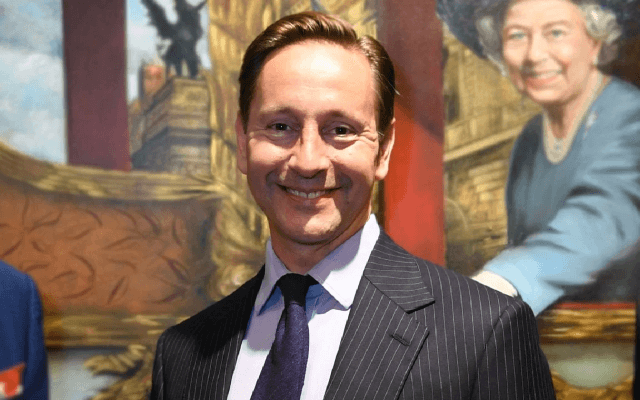
Alexander Talbot-Rice
Alexander Talbot-Rice
One of the most sought-after portrait artists of his generation, classically trained in Florence and St Petersburg, with commissions from Buckingham Palace to the Vatican.
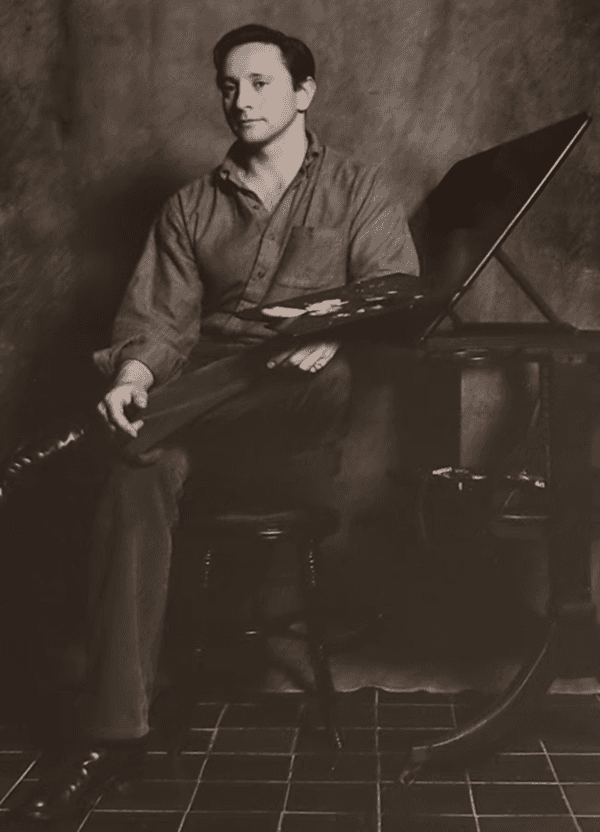
Photograph by Lord Snowdon
Honorary Professor
Repin Academy, St Petersburg
Fellow
Royal Geographical Society
Member
Worshipful Company of Painter Stainers
Freeman
City of London
— About
Alexander Talbot-Rice is one of the most sought-after portrait artists of his generation, having undertaken numerous commissions of world leaders and other figures of major international significance.
He is one of the very few artists to have been classically trained at both The Florence Academy in Italy and Saint Petersburg Repin Academy of Arts, and was appointed there as an Honorary Professor of Fine Arts.
Painting in the classical naturalistic tradition, he is particularly known for capturing the personality, humanity and character of his subjects. He has exhibited across the globe and his portraits are hung in royal palaces and leading art galleries.
Alexander Talbot-Rice is one of the most sought-after portrait artists of his generation, having undertaken numerous commissions of world leaders and other figures of major international significance.
He is one of the very few artists to have been classically trained at both The Florence Academy in Italy and Saint Petersburg Repin Academy of Arts, and was appointed there as an Honorary Professor of Fine Arts.
Painting in the classical naturalistic tradition, he is particularly known for capturing the personality, humanity and character of his subjects. He has exhibited across the globe and his portraits are hung in royal palaces and leading art galleries.
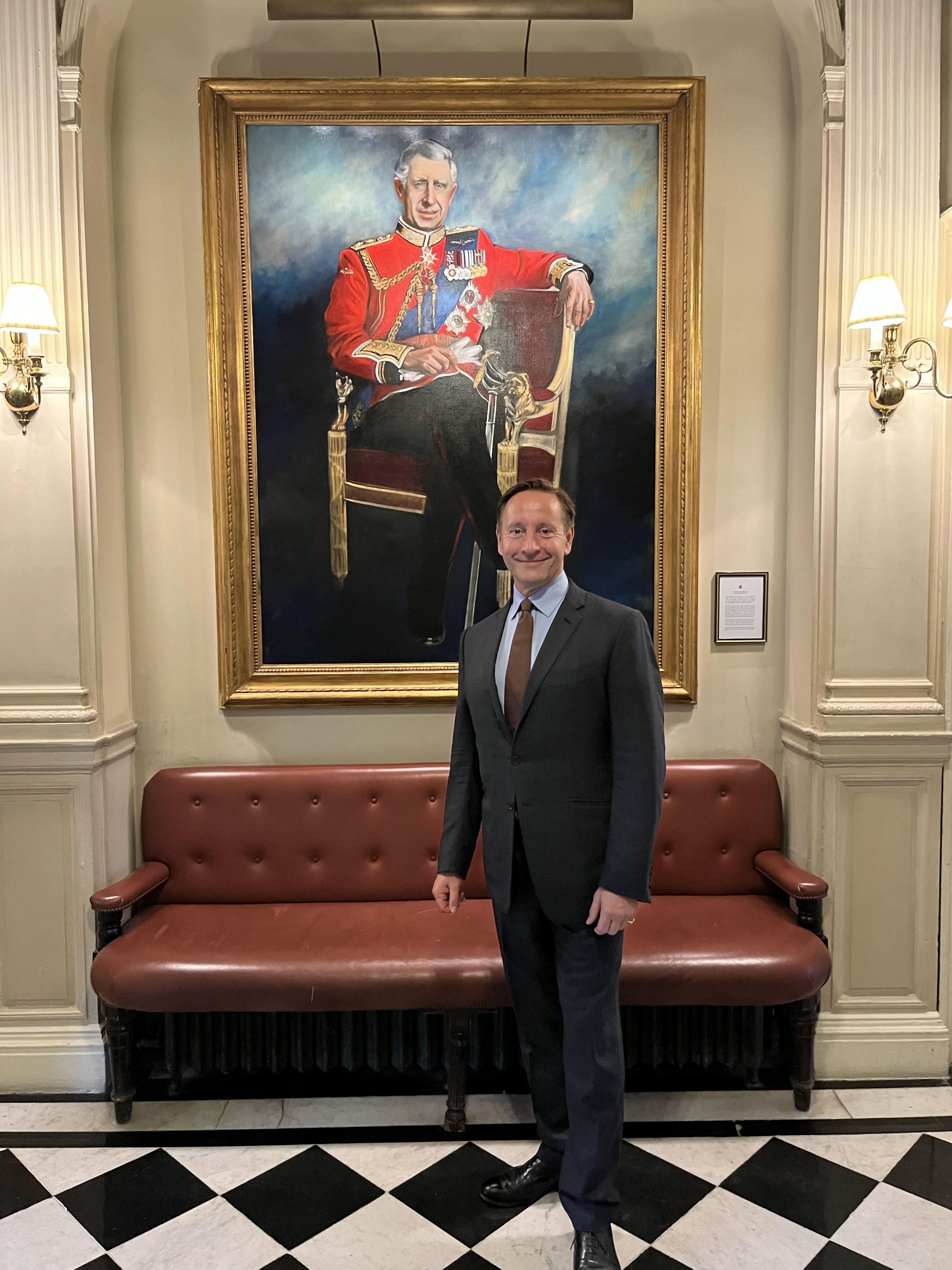
HRH The Prince of Wales
Wellington Barracks, UK 2005
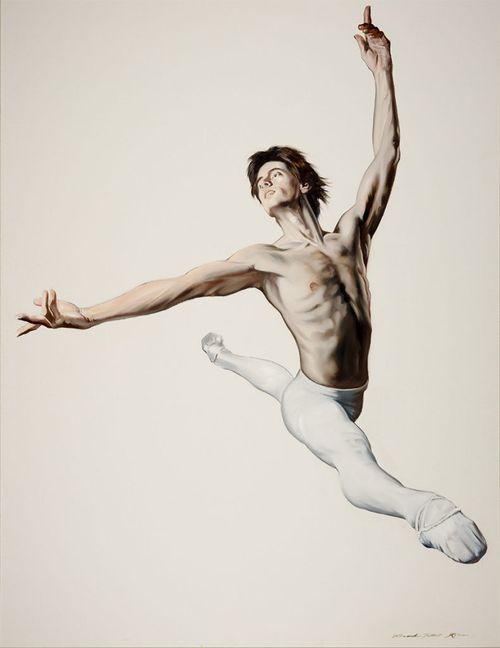
Xander Parish, Dancing for freedom
Mariinsky Collection, 2018
— Notable portraits
Alexander's portraits hung in royal palaces, state institutions and leading art galleries across four continents.
Alexander's portraits hung in royal palaces, state institutions and leading art galleries across four continents.
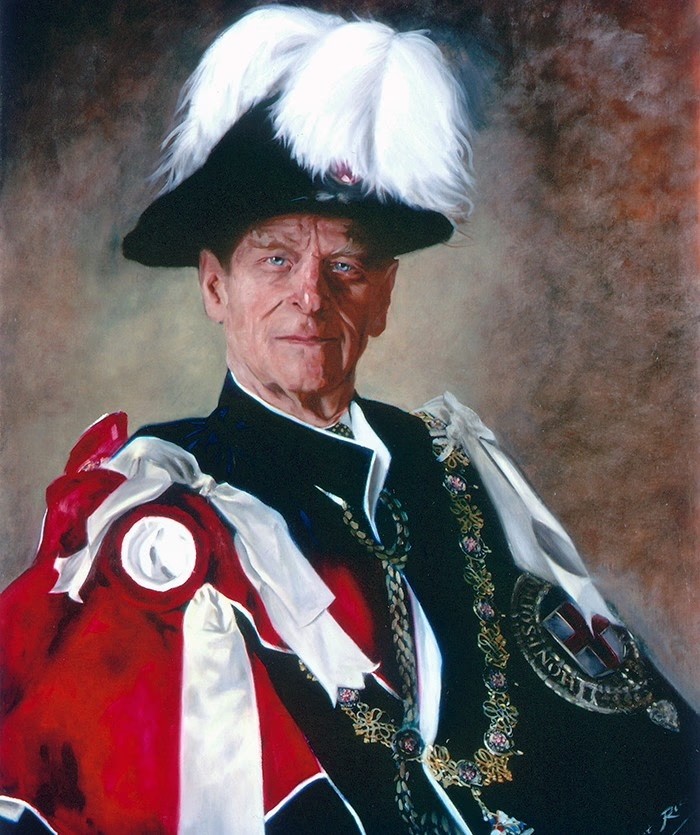
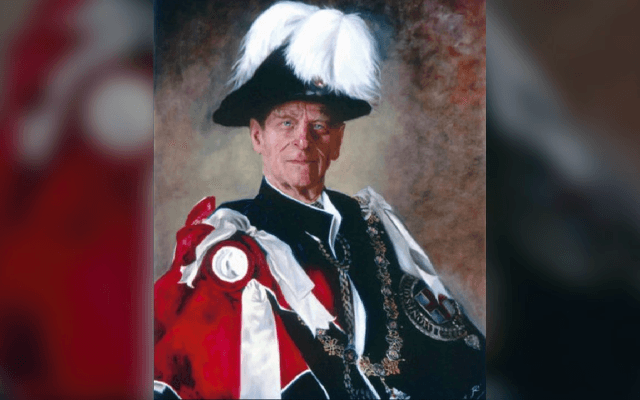
HRH The Duke of Edinburgh
Buckingham Palace, UK 2004
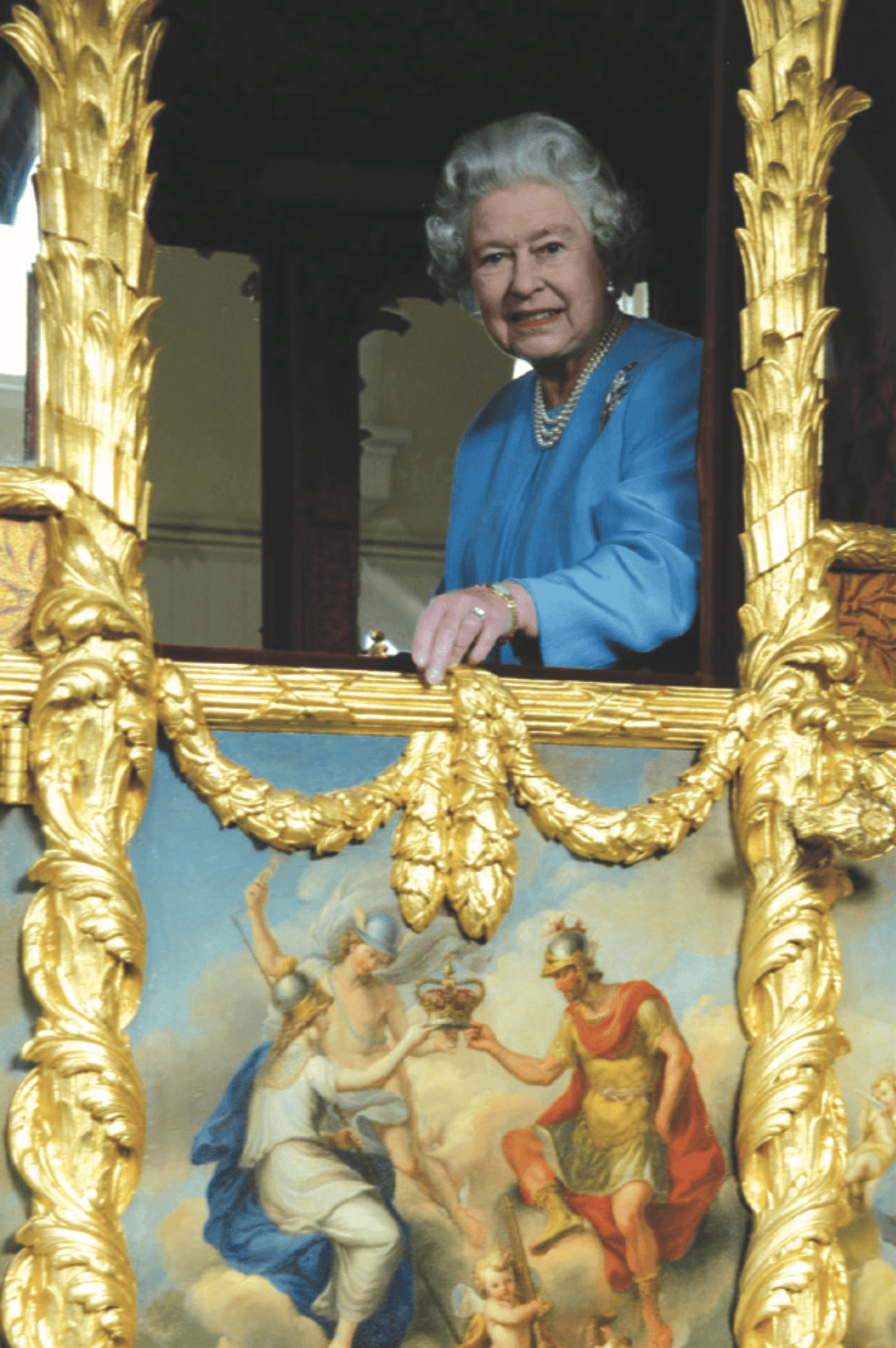
HM Queen Elizabeth II
City of London, UK 2005
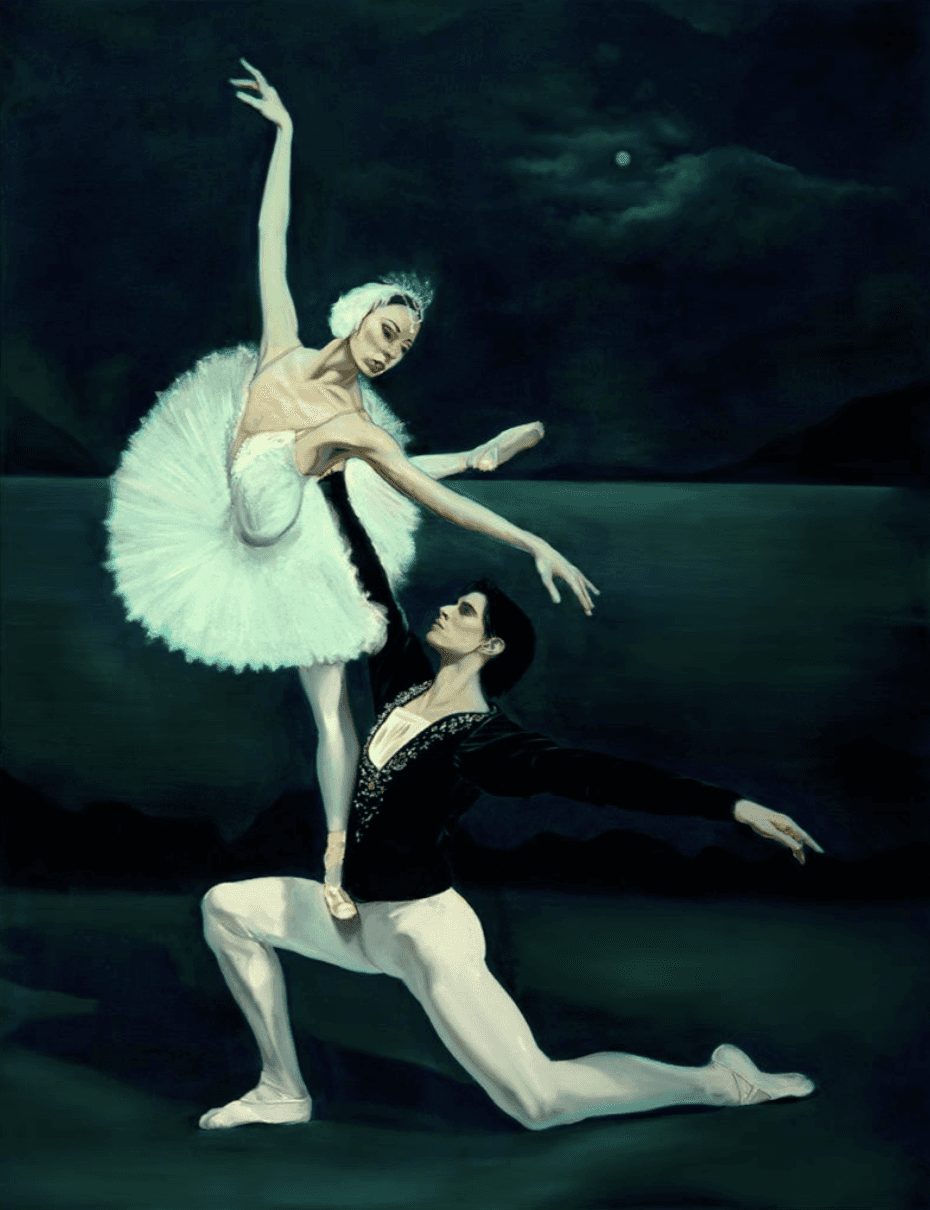
Paintings from the Mariinsky Ballet
Mariinsky Collection, Russia 2016
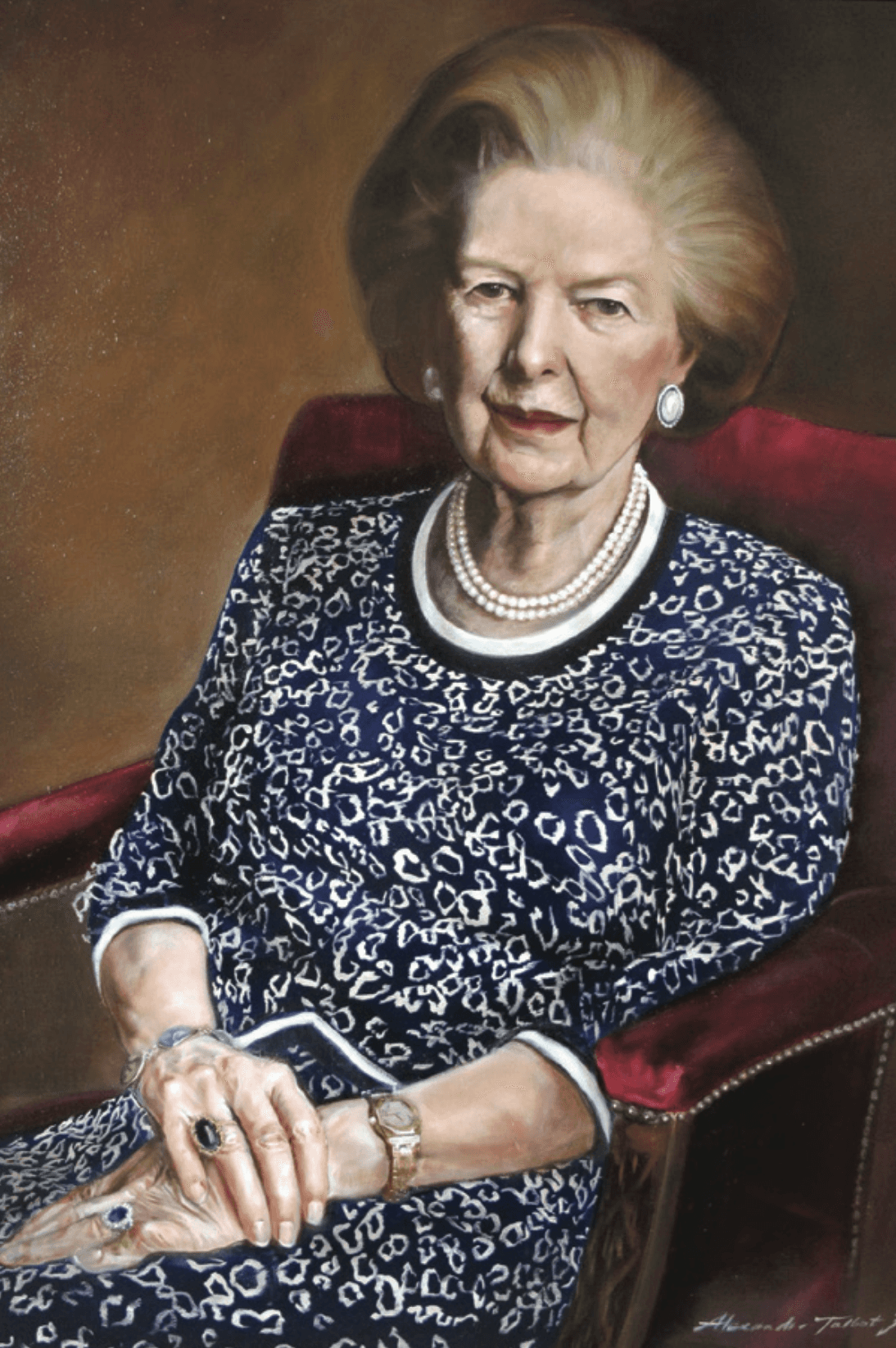
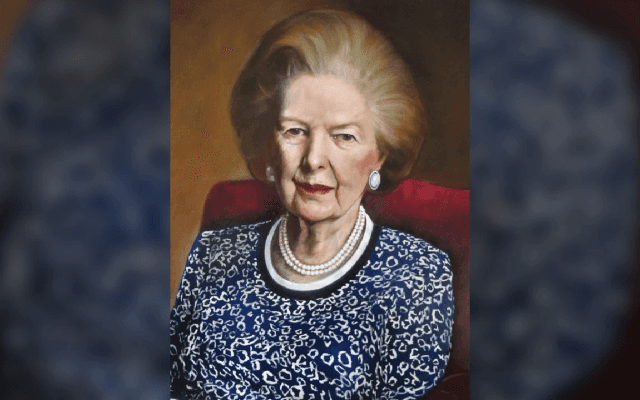
Lady Thatcher
Private Collection, India 2011
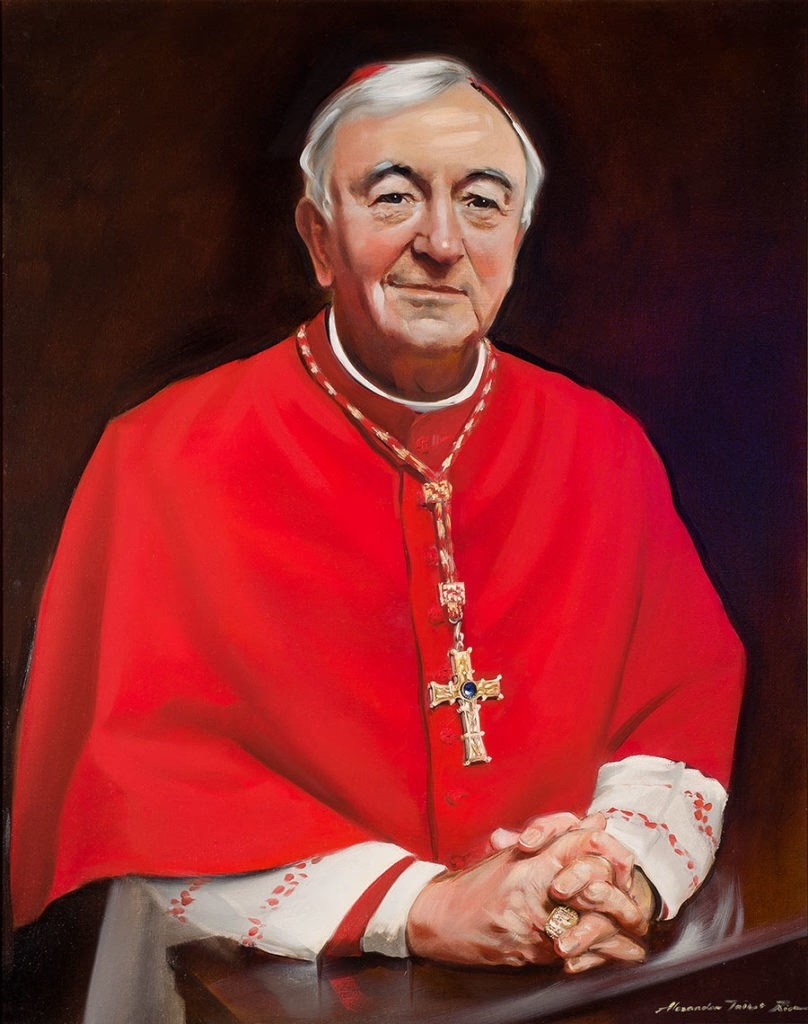
HE Cardinal Vincent Nichols
Westminster Cathedral, UK 2014
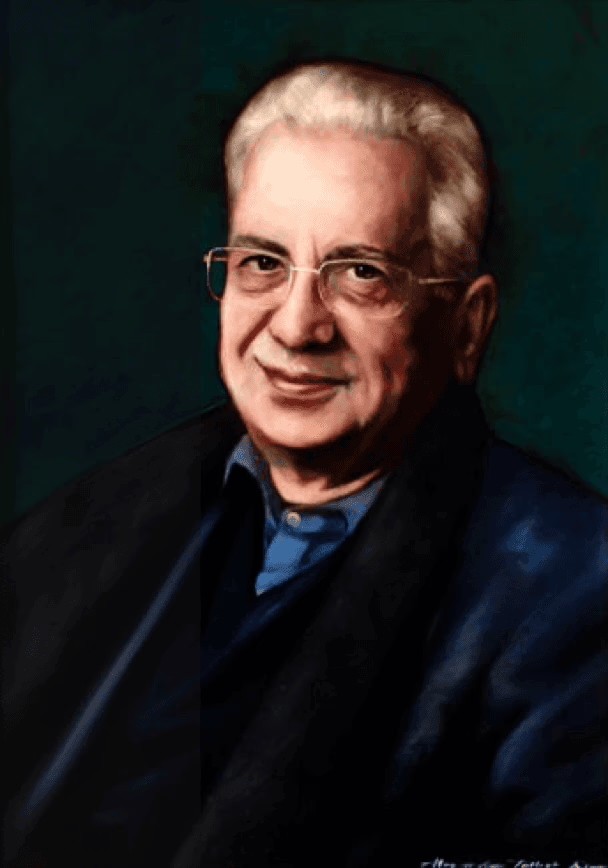
Michael Borisovich Piotrovsky
Hermitage, Russia 2015
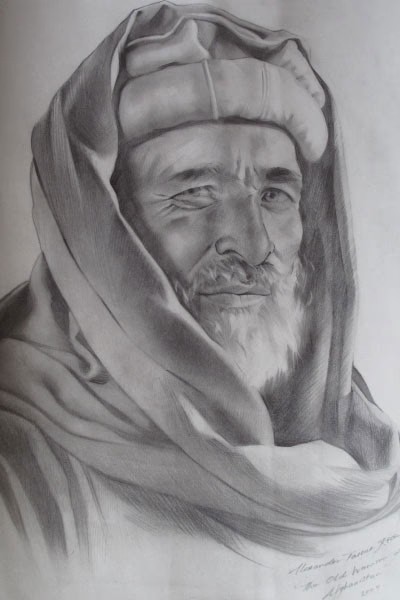
Old Warrior
Private Collection, Germany 2013
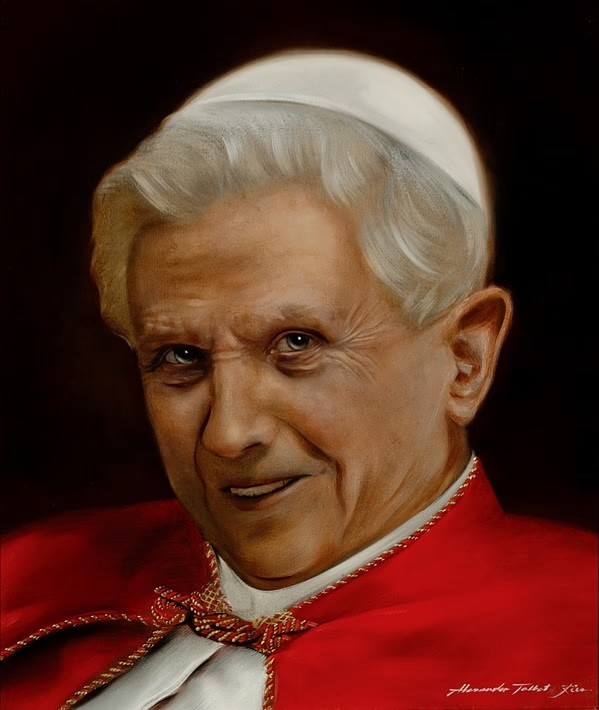
HH Pope Benedict XVI
Vatican, Rome 2010
Through the Eyes of an Artist
“A man's reach should exceed his grasp, or what else is a heaven for?”
“A man's reach should exceed his grasp, or what else is a heaven for?”
— Robert Browning
Robert Browning wrote these words to express the eternal dilemma of the artist, who strives to achieve something worthy of the effort.
Robert Browning wrote these words to express the eternal dilemma of the artist, who strives to achieve something worthy of the effort.
An artist's intuition of truth exists beyond the self in the light, shadow, and harmony of nature. It is something they are compelled to express through technique and by a process of apprenticeship to a master, but their own artistic 'handwriting' always remains unique.
An artist's intuition of truth exists beyond the self in the light, shadow, and harmony of nature. It is something they are compelled to express through technique and by a process of apprenticeship to a master, but their own artistic 'handwriting' always remains unique.
If these heroic and uniquely human aspirations are what define an artist, the true value of a work of art exists in the extent to which it resonates with others.
If these heroic and uniquely human aspirations are what define an artist, the true value of a work of art exists in the extent to which it resonates with others.
This is why creation requires empathy, authenticity, determination and passion.
This is why creation requires empathy, authenticity, determination and passion.
— biography
From Florence & St Petersburg, to Buckingham Palace and Dubai
Chapter I
Formation of a vision
Alexander's early childhood was divided between two worlds; the family home in London and his grandmother's estate in Herefordshire where Alexander lived a fairytale childhood, surrounded by natural beauty. When she died, the spell was broken, the estate was sold, and Alexander was sent to a strict preparatory boarding school in Sussex.
Alexander's early childhood was divided between two worlds; the family home in London and his grandmother's estate in Herefordshire where Alexander lived a fairytale childhood, surrounded by natural beauty. When she died, the spell was broken, the estate was sold, and Alexander was sent to a strict preparatory boarding school in Sussex.
This experience may have taught him something about the ephemeral nature of material things that would influence his future life choices. However, it was at school that Alexander's talent was recognised by an eccentric art teacher who introduced him to French Impressionism and fanned his imagination, with dreams of Paris in the Belle Époque.
This experience may have taught him something about the ephemeral nature of material things that would influence his future life choices. However, it was at school that Alexander's talent was recognised by an eccentric art teacher who introduced him to French Impressionism and fanned his imagination, with dreams of Paris in the Belle Époque.
Consequently, Alexander gained the top art scholarship to Stowe School in Buckinghamshire, which was set in the palace and country estate of the Dukes of Buckingham, and it was there that his future artistic destiny was formed.
Consequently, Alexander gained the top art scholarship to Stowe School in Buckinghamshire, which was set in the palace and country estate of the Dukes of Buckingham, and it was there that his future artistic destiny was formed.
It was assumed that Alexander would pursue a well-paid career, rather than a bohemian vocation in the arts, so upon leaving Stowe, followed a period in the army and a degree at the University of Durham, in politics philosophy and history. On graduating however, Alexander returned to art, studying in both Florence and St Petersburg for the next five years.
It was assumed that Alexander would pursue a well-paid career, rather than a bohemian vocation in the arts, so upon leaving Stowe, followed a period in the army and a degree at the University of Durham, in politics philosophy and history. On graduating however, Alexander returned to art, studying in both Florence and St Petersburg for the next five years.
Chapter II
In pursuit of mastery
His artistic journey started humbly, sleeping at St Mark's Anglican Church in Florence, where he designed a monument to the men who died liberating Italy in World War Il. This led to him being invited to be an artist in residence at Palazzo Corsini, Florence.
His artistic journey started humbly, sleeping at St Mark's Anglican Church in Florence, where he designed a monument to the men who died liberating Italy in World War Il. This led to him being invited to be an artist in residence at Palazzo Corsini, Florence.
When Alexander stood for the first time before a life model in Florence, bathed in soft light, he gazed upon the marble white of her skin blushed pink with life, and at once felt elated and sad because he knew that he did not yet have the skill to convey the infinitely gentle transitions of light, shadow, warm and cold colour before him.
When Alexander stood for the first time before a life model in Florence, bathed in soft light, he gazed upon the marble white of her skin blushed pink with life, and at once felt elated and sad because he knew that he did not yet have the skill to convey the infinitely gentle transitions of light, shadow, warm and cold colour before him.
In Florence, he gained an understanding of materials, pencil, charcoal, paper, paints, canvases and complex alchemic mediums. He learnt techniques to reproduce what he saw in nature by means of ‘sight size’ perspective, and he studied the works of the Italian Masters in Florence, Siena, Venice and Rome.
In Florence, he gained an understanding of materials, pencil, charcoal, paper, paints, canvases and complex alchemic mediums. He learnt techniques to reproduce what he saw in nature by means of ‘sight size’ perspective, and he studied the works of the Italian Masters in Florence, Siena, Venice and Rome.
Alexander was the first Western student to gain a place to study art in St Petersburg, where he learnt from true masters, who thanks to Soviet discipline, had preserved a tradition that dated from the Imperial Academy of Catherine the Great. They taught him how to draw and paint not just what is observed but with “understanding”.
Alexander was the first Western student to gain a place to study art in St Petersburg, where he learnt from true masters, who thanks to Soviet discipline, had preserved a tradition that dated from the Imperial Academy of Catherine the Great. They taught him how to draw and paint not just what is observed but with “understanding”.
Here Alexander worked in Ilya Repin’s Studio and with the head of the department of restoration, who had been responsible for restoring works by Rembrandt at the State Hermitage Museum. Through these Masters he discovered some of the secrets of the Old Masters he had been searching for in Florence.
Here Alexander worked in Ilya Repin’s Studio and with the head of the department of restoration, who had been responsible for restoring works by Rembrandt at the State Hermitage Museum. Through these Masters he discovered some of the secrets of the Old Masters he had been searching for in Florence.
Chapter III
Royal commission
His first royal commission on returning to England was to paint HRH The Duke of Edinburgh, resulting from his portrait of the Lord Bishop of London, Richard Chartres, who was the Anglican representative to the Russian Orthodox Church, and a trustee of St George’s House at Windsor Castle.
His first royal commission on returning to England was to paint HRH The Duke of Edinburgh, resulting from his portrait of the Lord Bishop of London, Richard Chartres, who was the Anglican representative to the Russian Orthodox Church, and a trustee of St George’s House at Windsor Castle.
His portrait of HRH was so well received, that it led to Alexander being invited to paint a portrait of HRH carriage riding for his personal collection, during which time he was a guest at Windsor Castle.
His portrait of HRH was so well received, that it led to Alexander being invited to paint a portrait of HRH carriage riding for his personal collection, during which time he was a guest at Windsor Castle.
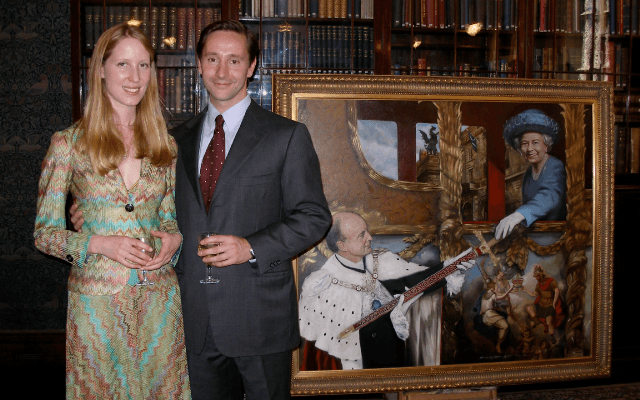
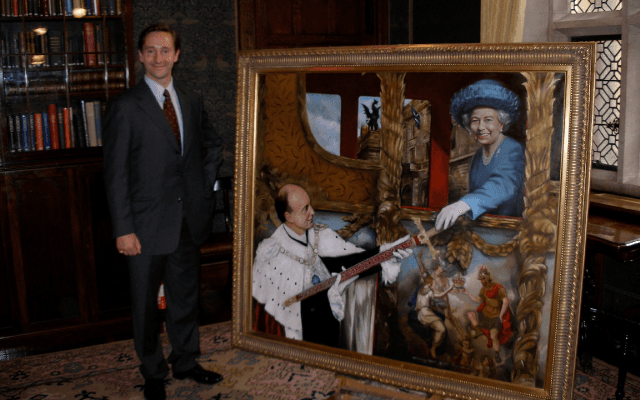
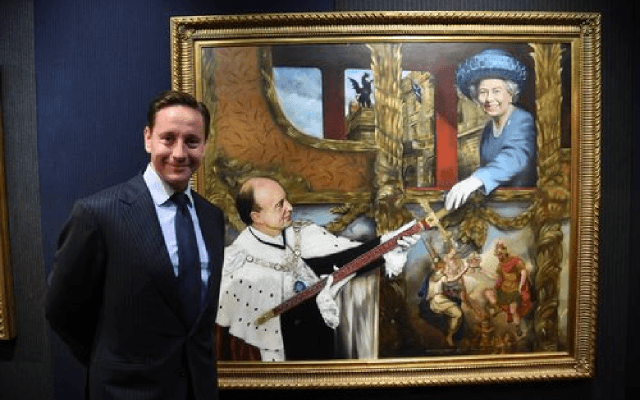
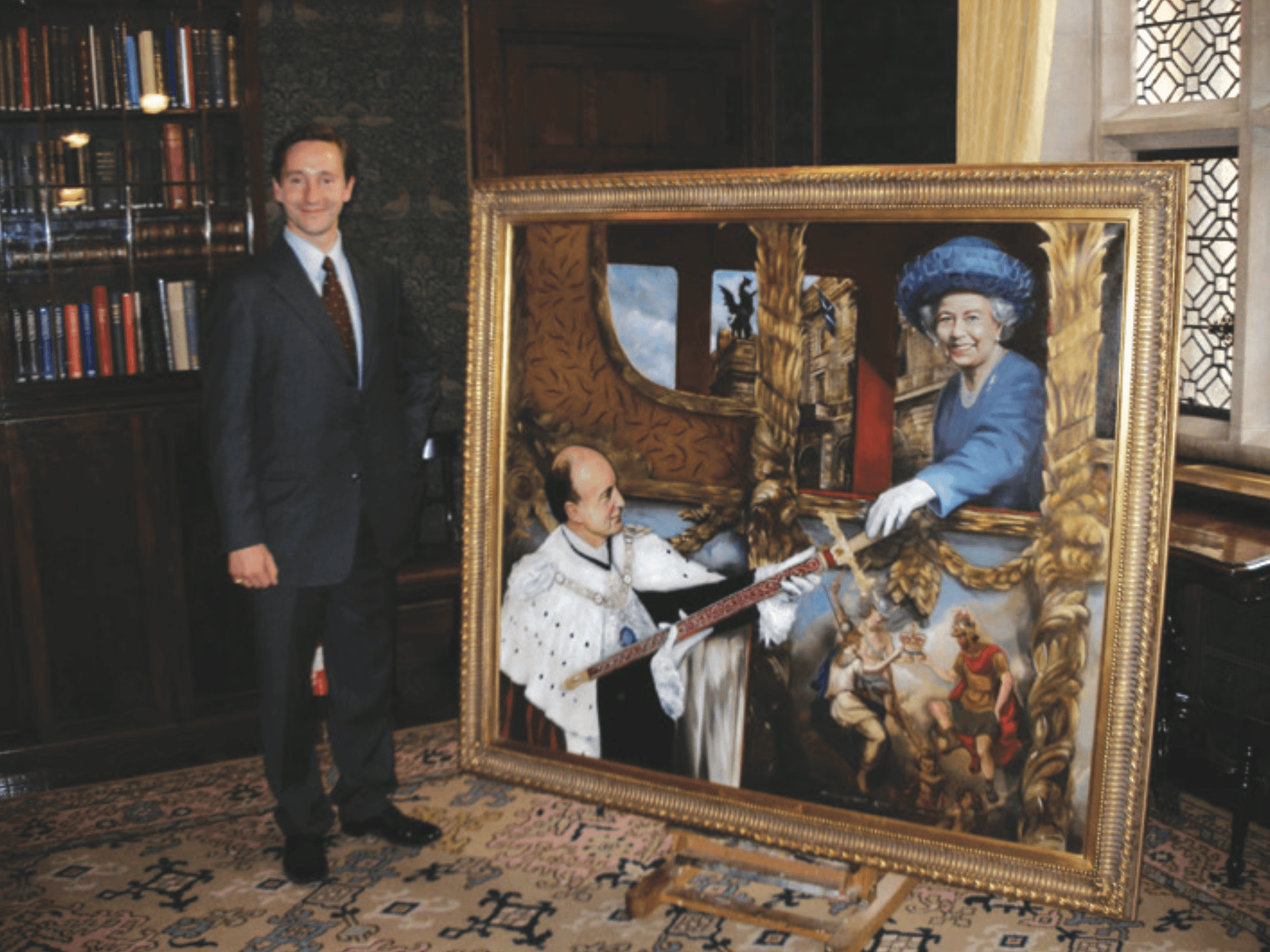
Alexander was chosen to paint HM Queen Elizabeth II, for The Worshipful Company of Ironmongers, in the City of London. A portrait of HRH The Prince of Wales was also commissioned by the Welsh Guards and Alexander was subsequently made a Freeman of The City of London.
Alexander was chosen to paint HM Queen Elizabeth II, for The Worshipful Company of Ironmongers, in the City of London. A portrait of HRH The Prince of Wales was also commissioned by the Welsh Guards and Alexander was subsequently made a Freeman of The City of London.
Chapter IV
Afghanistan
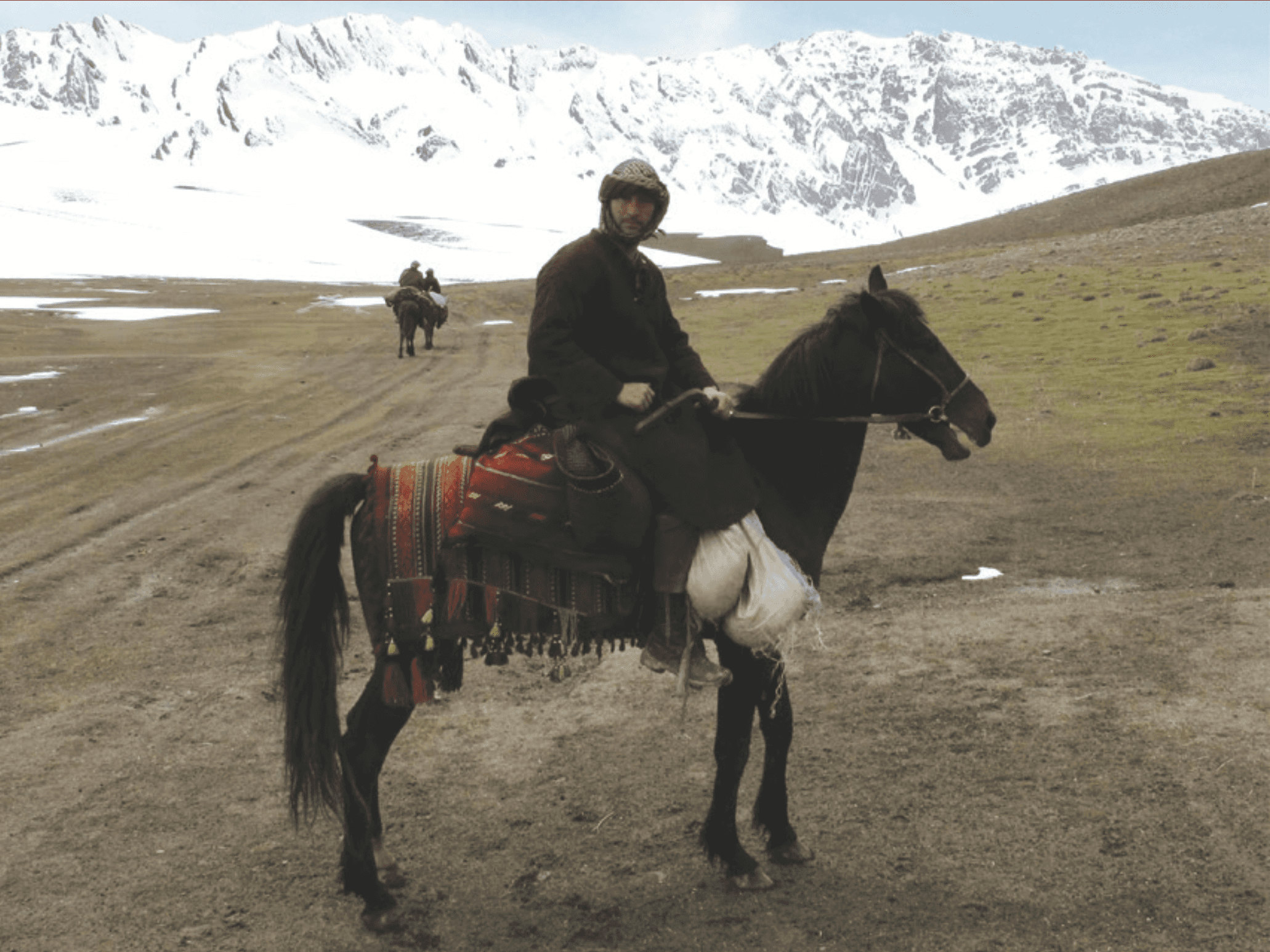
It was on the advice of the then HRH The Prince of Wales that Alexander first went to Afghanistan, as a guest of Rory Stewart, who was rebuilding the Old Town in The City of Kabul through an NGO of which HRH was a patron.
It was on the advice of the then HRH The Prince of Wales that Alexander first went to Afghanistan, as a guest of Rory Stewart, who was rebuilding the Old Town in The City of Kabul through an NGO of which HRH was a patron.
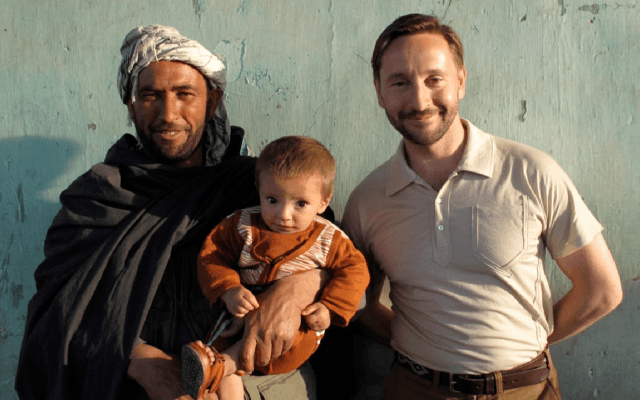
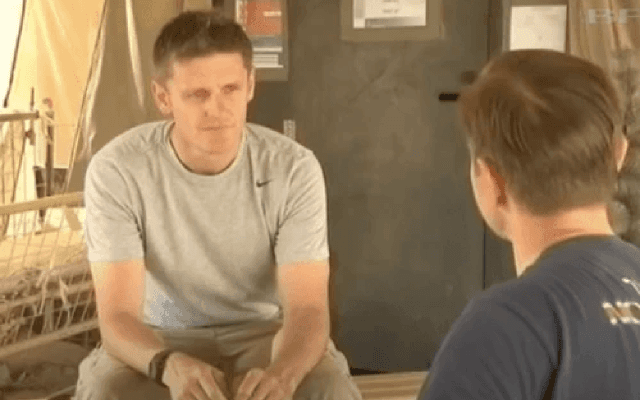
In Afghanistan, Alexander rode five-hundred-miles by horse, from Bamyan to Mazar-i-Sharif, and founded the Afghan Rugby Federation. As a result, he was invited to go to Helmand Province, embedded with the Welsh Guards, as a war artist, where he drew and painted tribal elders.
In Afghanistan, Alexander rode five-hundred-miles by horse, from Bamyan to Mazar-i-Sharif, and founded the Afghan Rugby Federation. As a result, he was invited to go to Helmand Province, embedded with the Welsh Guards, as a war artist, where he drew and painted tribal elders.
In one exemplary story, he asked the Governor of Helmand Province what was most needed in the reconstruction, expecting an obvious response such as roads, hospitals, or just fresh drinking water. The elder replied; “Alexander, we have been surviving for two thousand years, what we need is a reason to! These things enable us to survive; art gives us a reason to.” These are words that have stayed with Alexander ever since, throughout his creative life.
In one exemplary story, he asked the Governor of Helmand Province what was most needed in the reconstruction, expecting an obvious response such as roads, hospitals, or just fresh drinking water. The elder replied; “Alexander, we have been surviving for two thousand years, what we need is a reason to! These things enable us to survive; art gives us a reason to.” These are words that have stayed with Alexander ever since, throughout his creative life.
Chapter V
A new chapter
On returning to England, his portraits of HM Queen Elizabeth II and HRH The Duke of Edinburgh, were exhibited at The National Portrait Gallery in Washington and Alexander was invited by the director to paint the former Prime Minister, Lady Thatcher.
On returning to England, his portraits of HM Queen Elizabeth II and HRH The Duke of Edinburgh, were exhibited at The National Portrait Gallery in Washington and Alexander was invited by the director to paint the former Prime Minister, Lady Thatcher.
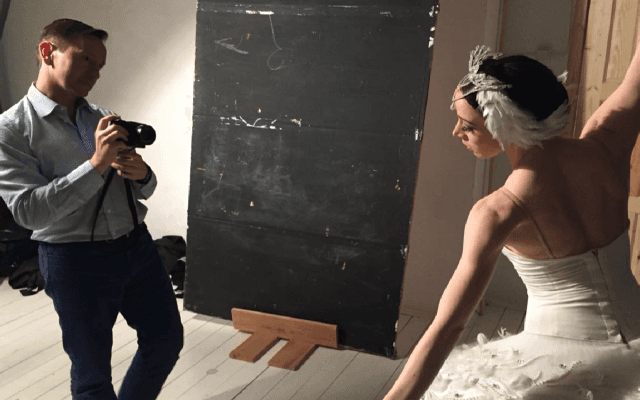
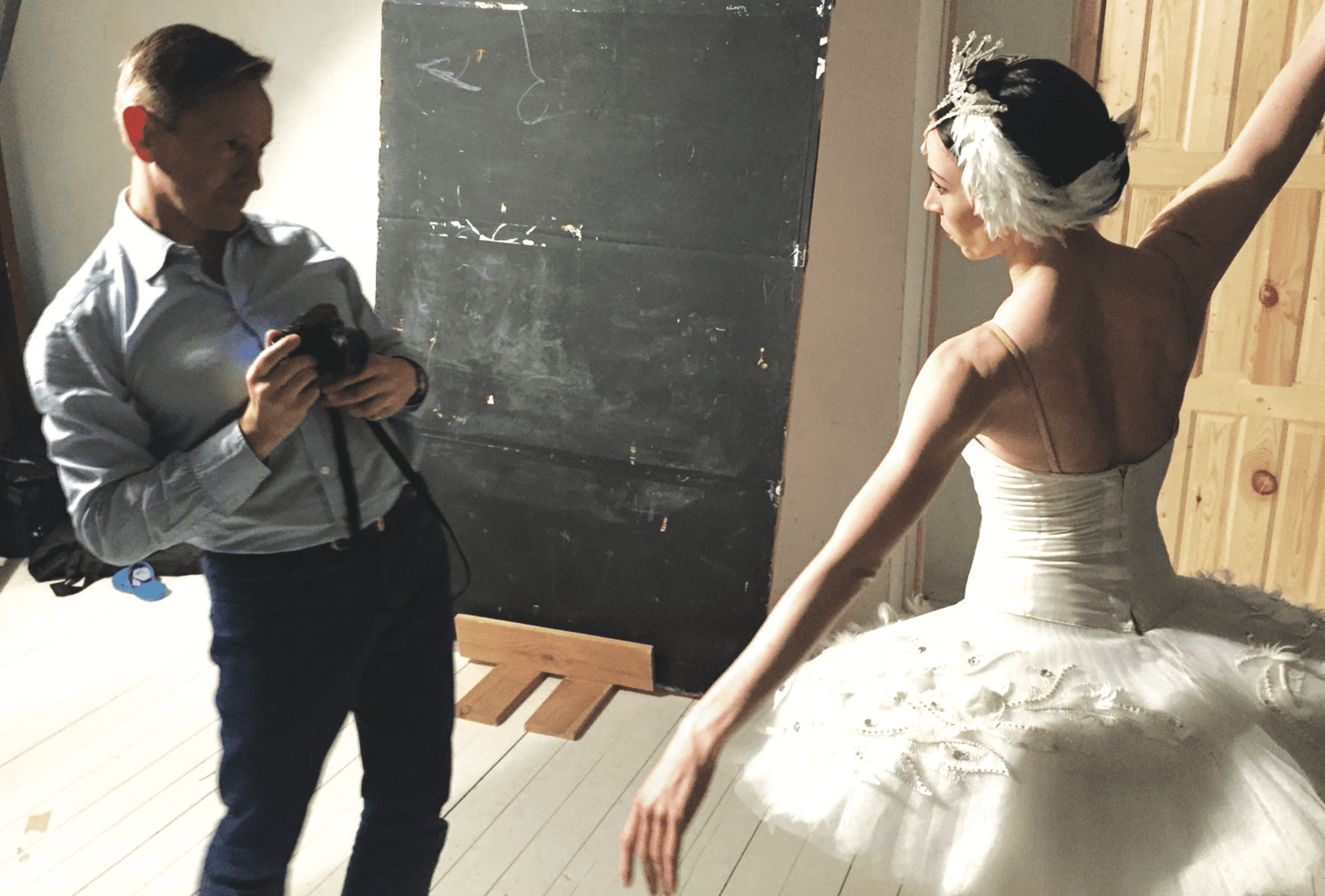
Subsequently Alexander left England to return to Russia, painting at The Mariinsky Ballet thanks to Xander Parish OBE, an English ballet dancer, who was the Principal Soloist there. Consequently, Alexander painted the director of the State Hermitage Museum and was made an Honorary Professor of Saint Petersburg Repin Academy of Arts.
Subsequently Alexander left England to return to Russia, painting at The Mariinsky Ballet thanks to Xander Parish OBE, an English ballet dancer, who was the Principal Soloist there. Consequently, Alexander painted the director of the State Hermitage Museum and was made an Honorary Professor of Saint Petersburg Repin Academy of Arts.
Shortly before Covid, Alexander’s mother passed away. In her memory, he held an exhibition at The Cavalry and Guards Club featuring paintings inspired by the Russian Ballet, from which he donated fifty percent of the proceeds to Veterans Aid.
Shortly before Covid, Alexander’s mother passed away. In her memory, he held an exhibition at The Cavalry and Guards Club featuring paintings inspired by the Russian Ballet, from which he donated fifty percent of the proceeds to Veterans Aid.
Alexander has recently moved to Dubai and is enjoying a new chapter of his life, as one of the foremost portrait painters of our generation.
Alexander has recently moved to Dubai and is enjoying a new chapter of his life, as one of the foremost portrait painters of our generation.
— Exhibitions & Events
2004
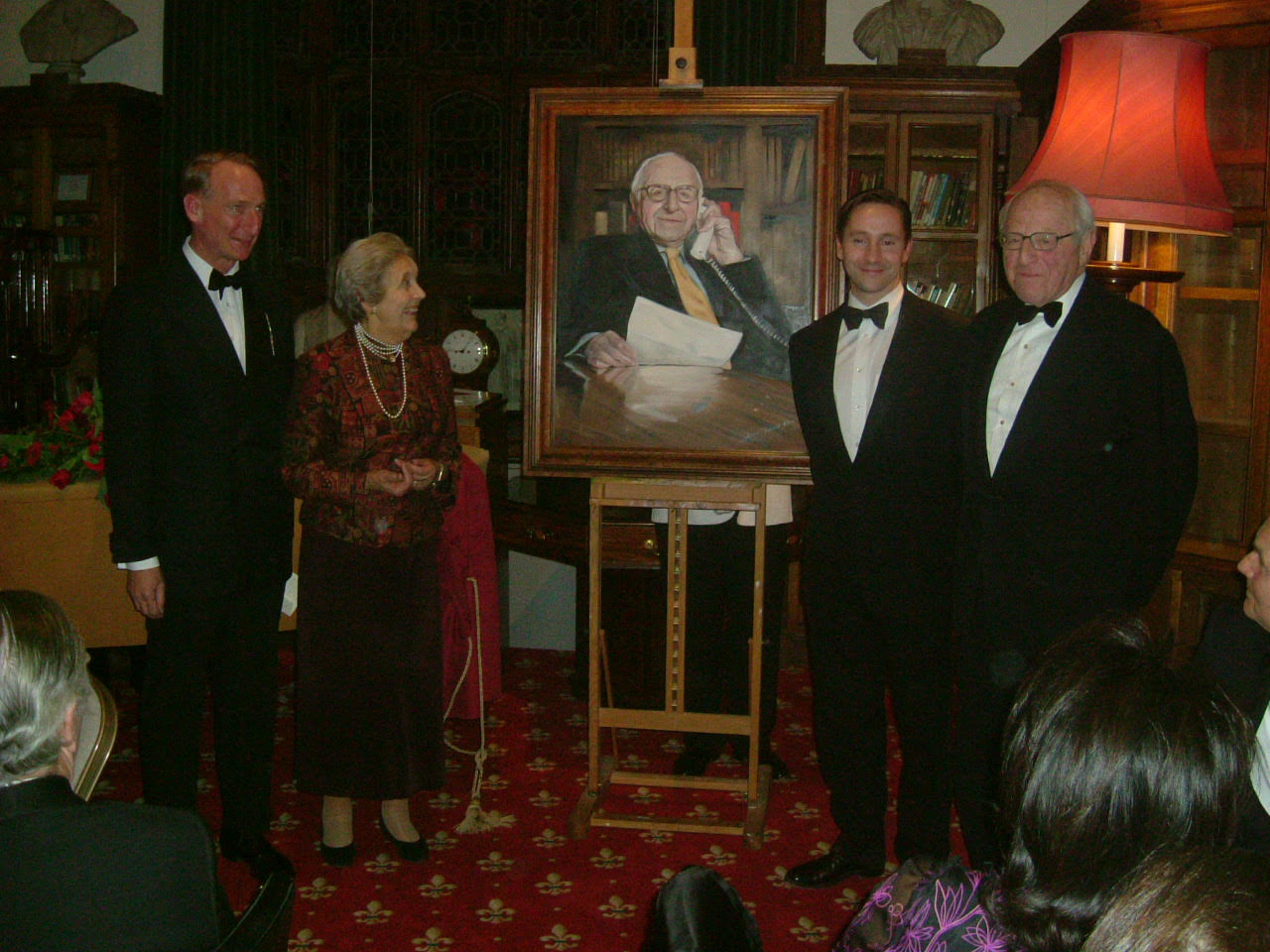
Windsor Castle unveiling painting of HRH The Duke of Edinburgh, for St George’s House
Windsor Castle unveiling painting of HRH The Duke of Edinburgh, for St George’s House
2005
Unveiling painting of HM The Queen Elizabeth II at The Worshipful Company of Ironmongers in The City of London
Unveiling painting of HM The Queen Elizabeth II at The Worshipful Company of Ironmongers in The City of London
2005
Unveiling of President Salva Kiir Southern Sudan
Unveiling of President Salva Kiir Southern Sudan
2007
The Smithsonian ‘Great Britons Exhibition’, at The National Portrait Gallery Washington (State Visit of HM The Queen Elizabeth Il and HRH The Duke of Edinburgh)
The Smithsonian ‘Great Britons Exhibition’, at The National Portrait Gallery Washington (State Visit of HM The Queen Elizabeth Il and HRH The Duke of Edinburgh)
2008
Founding of Alexander Talbot-Rice Academy Charity at Dinefwr Castle, Wales
Founding of Alexander Talbot-Rice Academy Charity at Dinefwr Castle, Wales
2013
Lady Thatcher's portrait for the Conservative Party
Lady Thatcher's portrait for the Conservative Party
2014
Hong Kong Jockey Club Museum in Central Hong Kong
Hong Kong Jockey Club Museum in Central Hong Kong
2015
The State Hermitage Museum, unveiling of portrait of the director, Mikhail Borisovich Piotrovsky
The State Hermitage Museum, unveiling of portrait of the director, Mikhail Borisovich Piotrovsky
2016
Huntsman exhibition, Savile Row, pictures from the Russian Ballet and exhibition in aid of the charity, Invictus
Huntsman exhibition, Savile Row, pictures from the Russian Ballet and exhibition in aid of the charity, Invictus
2018
Exhibition Gala at The Cavalry and Guards Club in association with Veterans Aid charity
Exhibition Gala at The Cavalry and Guards Club in association with Veterans Aid charity
2023
Portrait of HM The King, as Prince of Wales, on show at The Cavalry and Guards Club
Portrait of HM The King, as Prince of Wales, on show at The Cavalry and Guards Club
— Press